An Elven Helm-class ship with a four-ton cargo capacity — that was my starting inventory when I dove into Spelljammer back in 1992, and I quickly realized I was staring at one of the most friendly strategic RPG games ever crammed into MS-DOS. I don't remember that first boot-up, but I do remember deciding to cross the star system map differently than the game suggested.
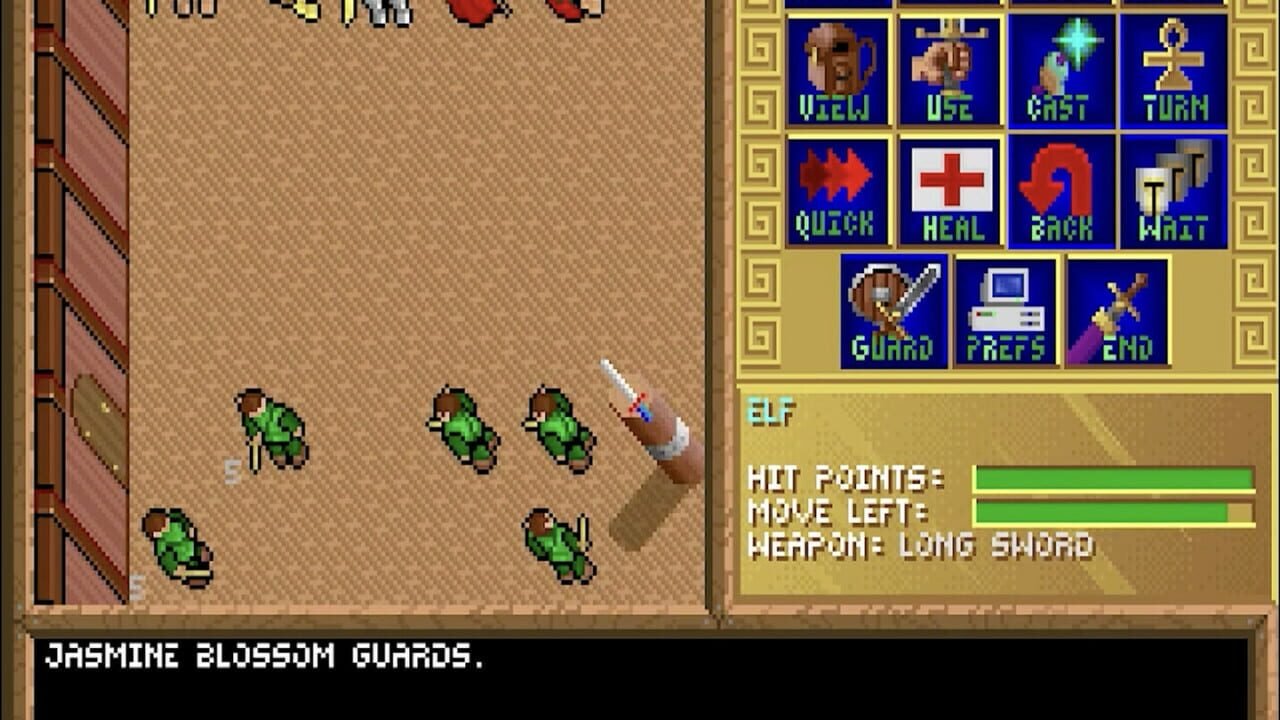
This is space piracy in the Dungeons & Dragons universe. My ship, my crew, and my arsenal are the only things I control. The goal is straightforward: trade my way up through currencies and discounts, prey on weaker merchant vessels when the profit margin looks good, and gradually climb the pirate hierarchy. Everything happens on a map that's like a checkerboard — each square is a place for combat, commerce, or exploration. The game forces you to track time, fuel, and ammunition as carefully as your coin purse.
The mechanics are simple to the point of brutality. You navigate the grid, encounter a foreign ship, and decide: attack or negotiate. Then comes a tactical map with your archers, mages, and scouts against the enemy. No, these aren't fully animated battles — the graphics are serviceable with text and numbers doing the heavy lifting. But that's exactly where the power lies. You have to genuinely reckon with what you have and what you don't. One hit matters, you carry it forward, and you plan around it.

Spelljammer was brilliant for its time because it brought something strategy games lacked — a living economy. It wasn't just warfare; it was mind games against scarcity. Today, its visual simplicity and deliberate pace might disappoint you, but that slowness gives you thinking time. What once felt like a limitation (plain graphics) now works against the urge to rush and twitch-play.
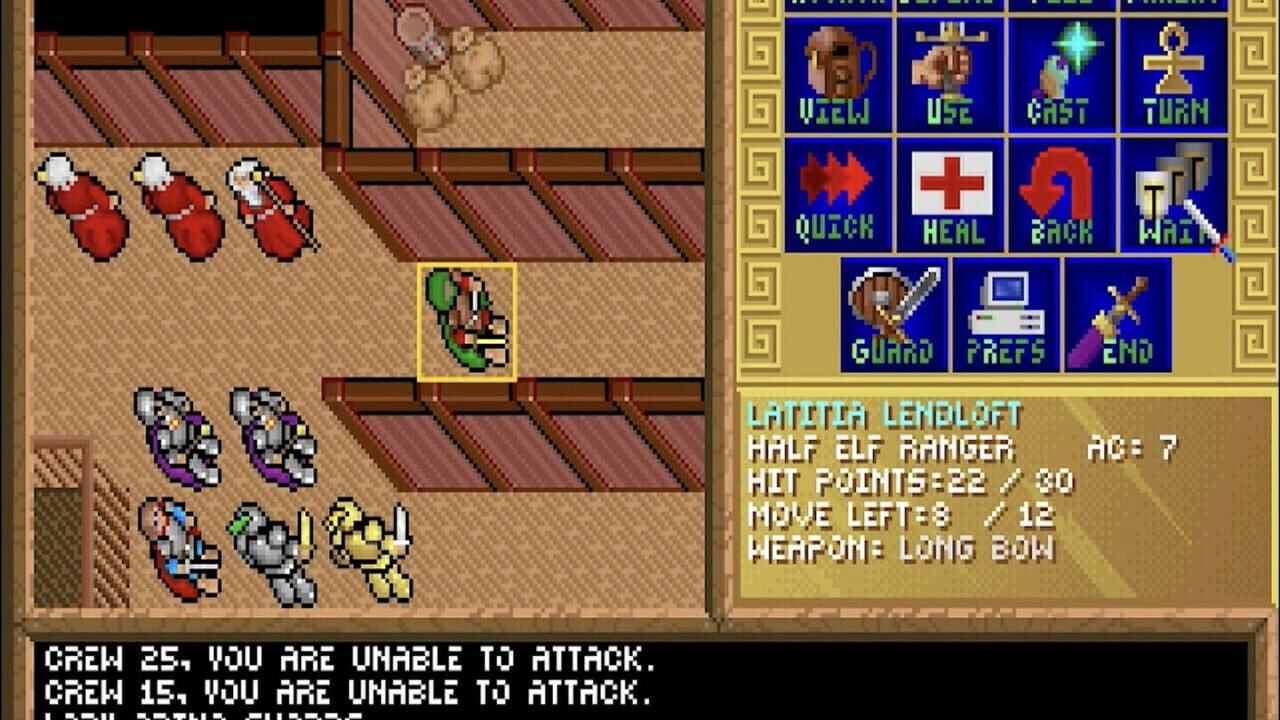
Who plays it today? Someone unafraid of slow pacing who can imagine a clash instead of watching an animation. Someone who wants strategy where every unit of supplies and every copper coin genuinely matters. Spelljammer in the browser is like a nude beach — not for everyone, but for the right people it's a refuge from the hurry.
 old
old


 ▶North & South1990MS-DOS / PC


 ▶Teenage Queen1988MS-DOS / PC