1995 was brutally oversaturated with racing games on PC. Micro Machines 2, ExtraCarts, BC Racers — every other developer was churning out top-down racing mayhem and hoping to snag a piece of the pie. Into this arena came Road Hog from Teacy Entertainment, apparently the first and last title from this studio. That says something.
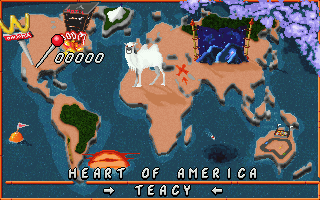
The story premise is exactly as absurd as it was fashionable back then. You drive some frustrated guy who's had enough of the world around him — specifically the overly polite, politically correct types — and decided to take matters into his own hands. Or rather, into his steering wheel. So it's arcade racing with an emphasis on chaos and destruction rather than clean lap times.
Mechanically, Road Hog treads in well-worn paths of top-down arcade racers. You control a car in a pseudo-isometric view, ram opponents, dodge obstacles, and try to survive to the finish line. Nothing that would make jaws drop in 1995. The problem is that the competition in this genre either had better physics, or better humor, or better level design — and Road Hog doesn't excel in any of these categories. The gameplay is functional but neither offends nor delights. Controls respond acceptably, opponent AI serves its purpose, but that's about all you can say without exaggerating.
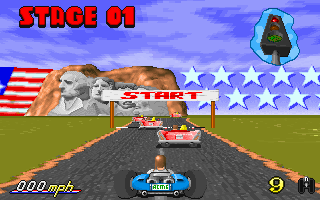
What I remember about Road Hog — or rather what radiates from every pixel of it — is that typical mid-90s energy of low-budget games. Small studio, limited budget, but genuine effort to do something a little quirky. It's aged unevenly. Graphics match the era, sounds are standard VGA-era stuff. It wasn't a hit back then, and today it's more of a curiosity for collectors of forgotten DOS games than for seekers of truly great racing experiences. It reminds me of dozens of boxes from the clearance bins at Electroworld around 1996 — things nobody marketed, but someone bought anyway.
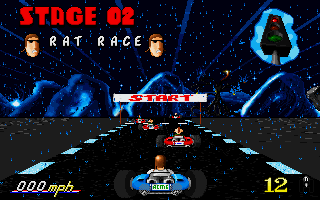
Today Road Hog appeals mainly to those who love DOS archaeology and are curious about games that don't have proper Wikipedia articles. If you want racing classics from that same period, look elsewhere. If you're interested in what was created on the margins of the 90s gaming industry — games without publisher backing, without marketing budgets, but with their own quirky spark — then Road Hog is worth an hour of your time. You can easily run it in a browser via DOSBox these days, and that's about how much time you should invest in it.
 old
old


 ▶Test Drive1987MS-DOS / PC


 ▶F11993Sega Mega Drive


