The puzzle screen stares back at you—a grid of colored blocks, some alien mechanism you're supposed to understand. Alien Earth, a logic game from 1998 by Playmates Interactive Entertainment, assumes you'll figure out the rules by looking at patterns. No tutorial, no hand-holding. That's either refreshing or infuriating depending on your mood.

You're essentially shuffling blocks and pieces across a grid-based field, rotating and positioning them to match some environmental constraint or objective. It's a strategy-logic hybrid rooted in that late-nineties PC puzzle tradition where games threw you into the deep end and trusted you'd swim. The setup has that peculiar otherworldly vibe—something alien, something mechanical—but the actual gameplay boils down to spatial reasoning and trial-and-error until the pattern clicks.
The mechanics are straightforward enough once you decode them: select, rotate, place. The interface feels clunky by modern standards, all menus and clicks, no smoothness. What saves it is that the puzzles themselves have teeth. They don't bore you for the first three levels before becoming tedious; they escalate with genuine logic problems that require actual thought. The DOS-era graphics are functional rather than pretty—flat colors, blocky sprites—but they serve the puzzle aesthetic well enough. Everything is readable, if uninspiring.
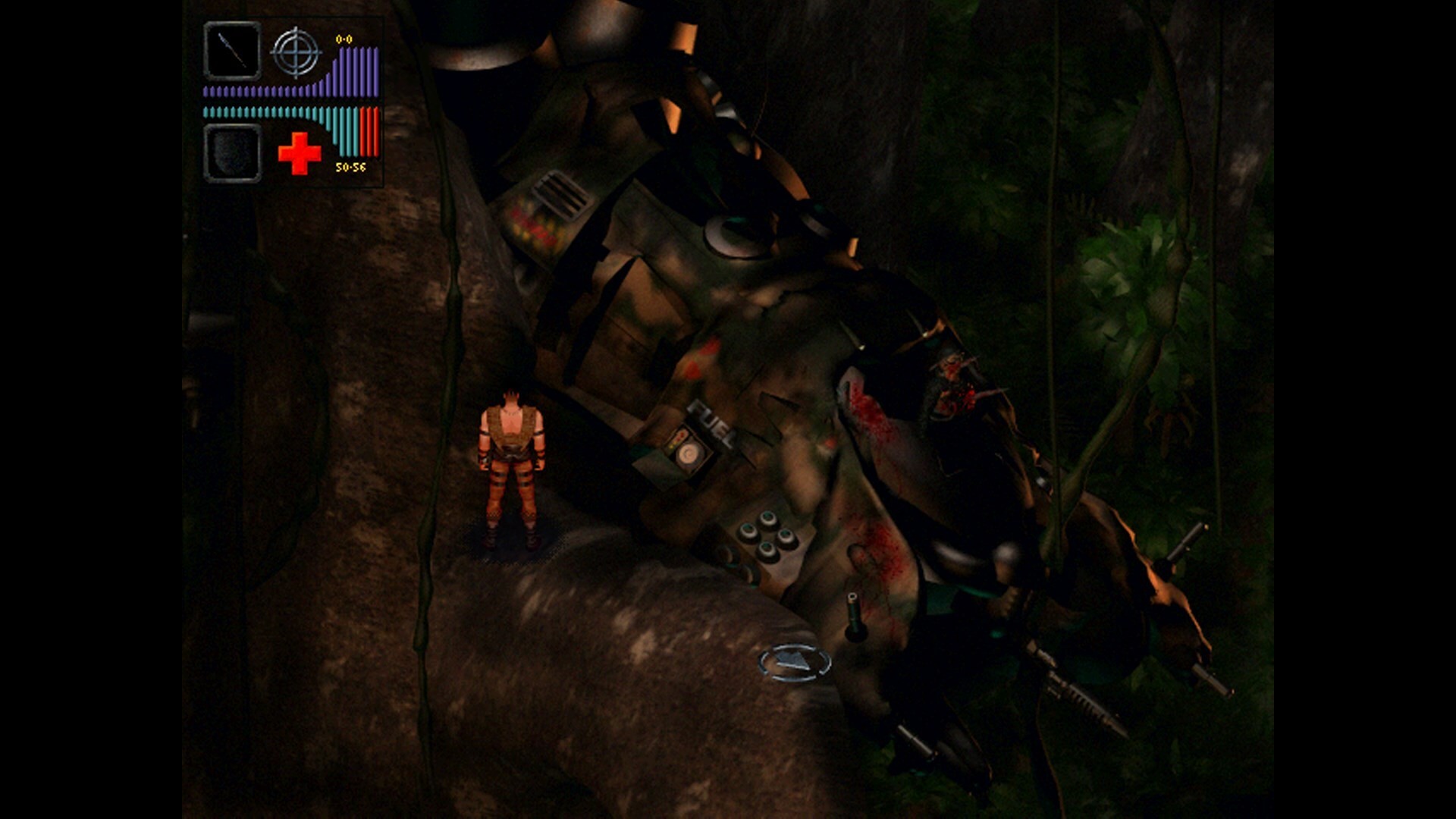
Alien Earth is the kind of game that landed in budget bins and shareware collections, played by exactly the people who had the patience for it. It's not a genre-definer or a standout title. But it's competent: the puzzles work, the difficulty ramps sensibly, and there's no pretense. This was a time when logic games didn't need licensing or story justification. They just needed to be logical and engaging, and Alien Earth manages both.
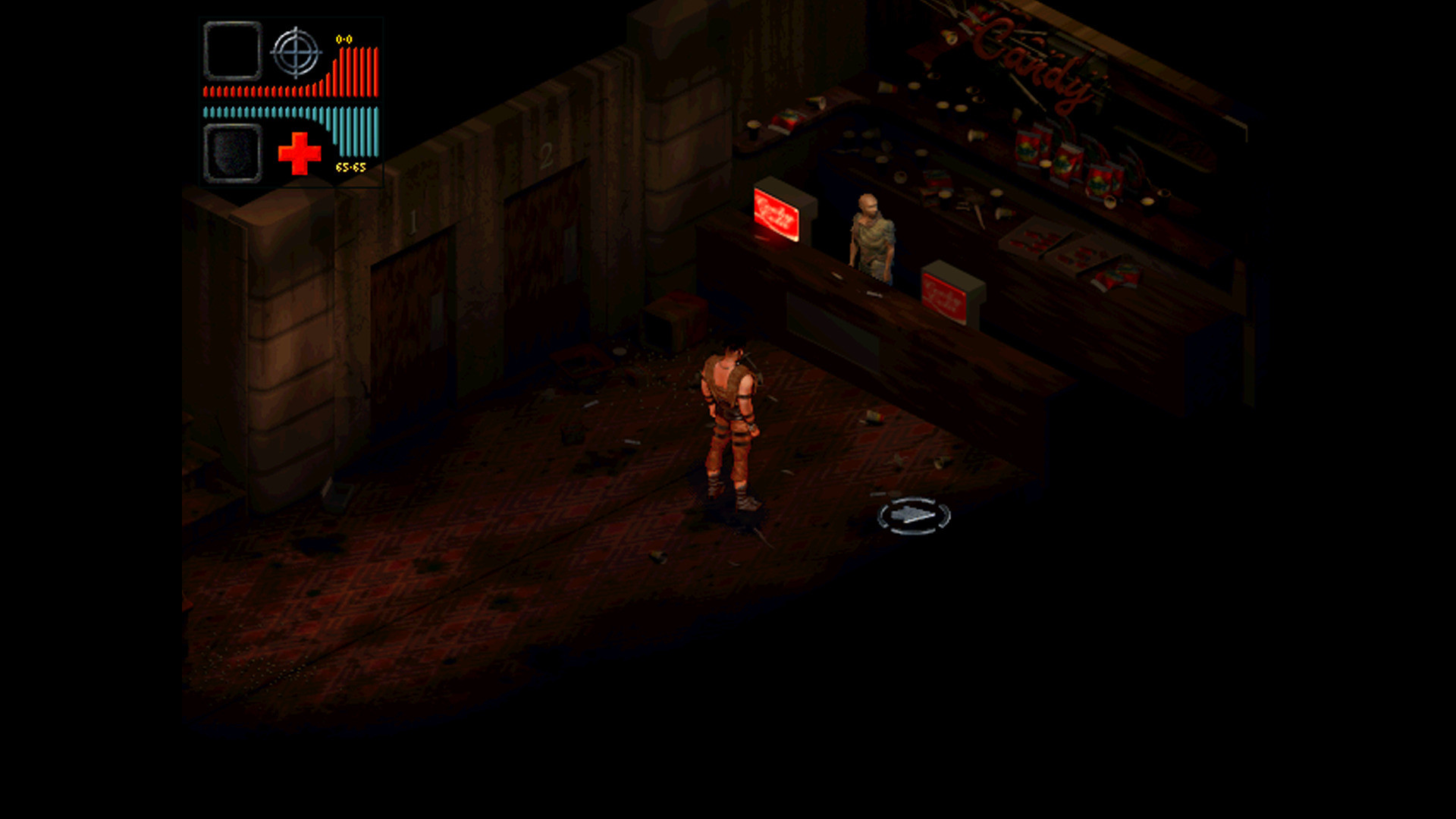
Today, it's a time capsule of late-nineties PC gaming—that era when Australian and European developers were quietly making solid, unpretentious games without fanfare. If you want a no-nonsense logic puzzle that respects your intelligence without demanding three hours of your life, fire it up in a DOS emulator or browser. The alien mechanisms still work.
 old

 Dead Space Marker Figurine – Alien Obelisk 3D CollectibleView on eBay »
 Pax West 2024 Behemoth Bucket Alien Hominid Hat EventView on eBay »


 ▶Mario is Missing!1992MS-DOS / PC


 ▶The Backyard1993MS-DOS / PC

 ▶Novalight Tetris1995MS-DOS / PC


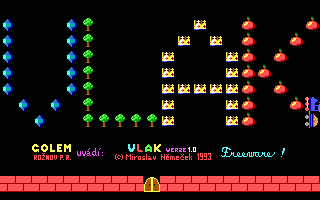 ▶Vlak1993MS-DOS / PC

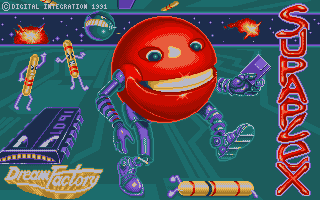 ▶Supaplex1991MS-DOS / PC

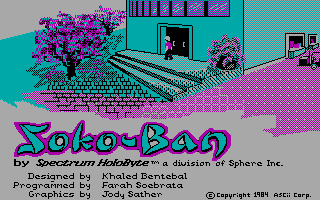 ▶Sokoban1984MS-DOS / PC


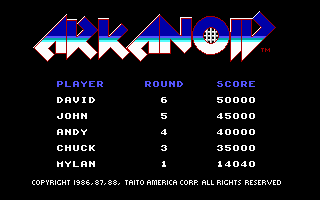 ▶Arkanoid1988MS-DOS / PC

 ▶Chess1998Sega Mega Drive