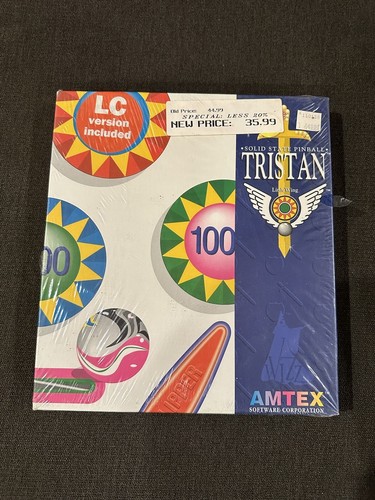
The ball drops, the flippers clack, the glass shakes. If you want to fire up a pinball machine straight on your PC, Solid State Pinball will deliver it without unnecessary dramatic flourishes — it's simply pinball on a computer from 1991.

It's a simulation of a flipper machine called Tristan. You play it like any pinball table: the ball falls from above, you bounce it back with sticks of wood, and try to hit targets on the playfield. Points, bumpers, multipliers — all familiar. The goal is to rack up the score and watch how deep the ball sinks into the drain.
Gameplay is straightforward. You control the flippers, raise them at the right moment to avoid losing, and rack up points by lighting up spots. The graphics are spartan — black-green or black-white, depending on your setup — and the ball animation is snappy, the physics decent. Sound is minimal, more of a reminder that something's happening. It lacks the atmospheric punch of modern pinballs, but back then this was a novelty. It doesn't sweat the physics details, but it works convincingly enough to be fun.
The game's value lies in the fact that pinball on PC wasn't a given in 1991. Solid State Pinball was among the first attempts to port an arcade machine to the home computer without compromising its style. Looking back, you see why it was interesting — it's not a watered-down culture product, it's a straight-up simulation. These days, it's been surpassed by better, more colorful, and more digitally refined versions.
Playing it today means digging into a corner of old stuff. It's not an experience that'll grab you, but it's a window into how players tried to squeeze the arcade into the living room when the internet didn't exist yet and computers were for playing, not working. It works, there's no fault in that, you just wonder after the first few tries why you're even running it when it's basically just a bland flipper with a single gimmick.
 old



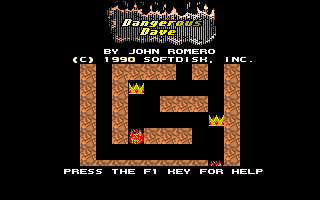 ▶Dangerous Dave1990MS-DOS / PC


 ▶Pinball Fantasies1992MS-DOS / PC
 ▶Frogger1983MS-DOS / PC

 ▶Star Wars1988MS-DOS / PC
 ▶Digger1983MS-DOS / PC
 ▶Alley Cat1984MS-DOS / PC


 ▶新着Mravenečci2026Webová hra


 ▶Streets of Rage 21992Sega Mega Drive


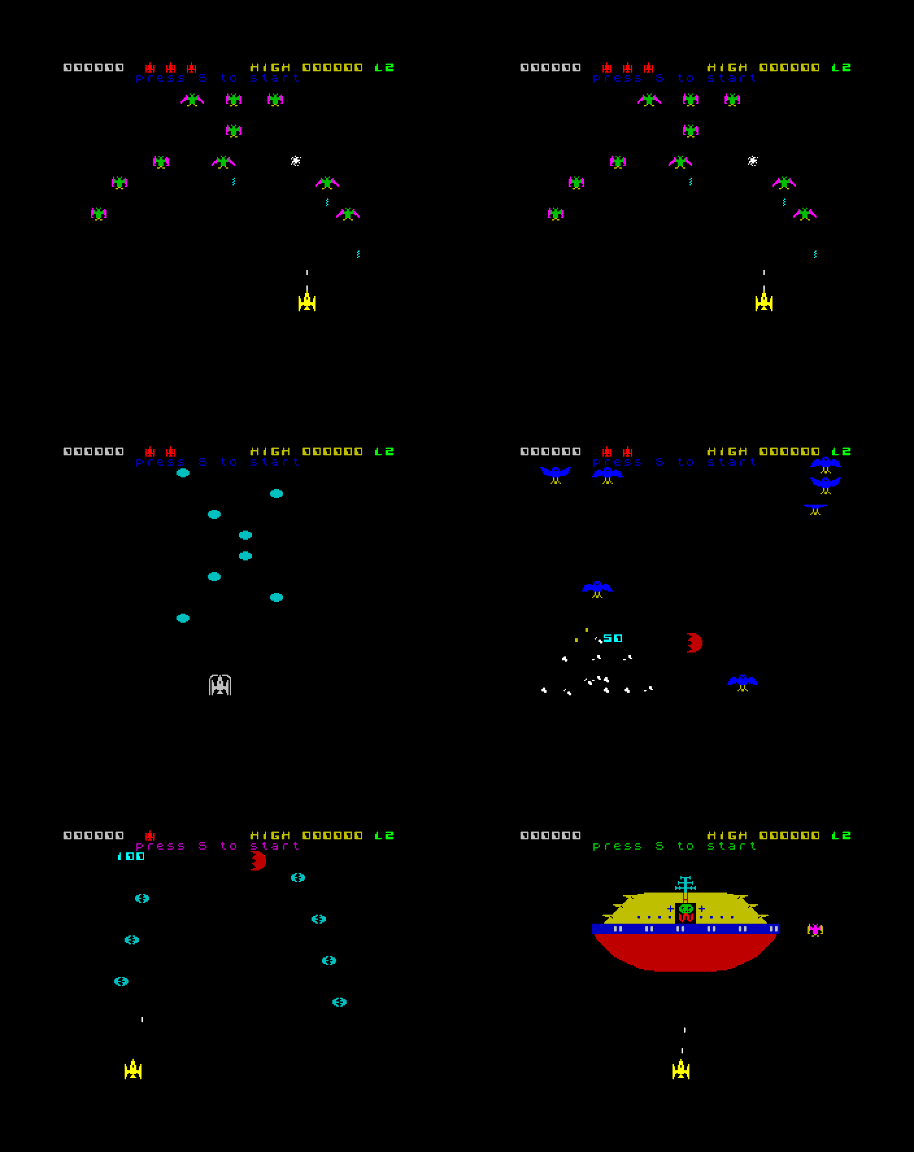 ▶Pheenix1983ZX Spectrum

