old
The History of the Tycoon Genre That Made You a Magnate

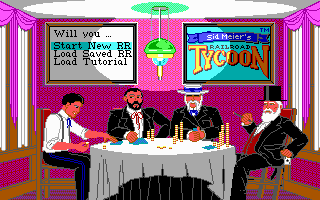
Some genres emerge gradually, built up slowly through layers of ideas from dozens of studios. And then there's Tycoon – a genre with an almost exact birth date. It's 1990, and Sid Meier, already an acclaimed creator of Pirates! and F-19 Stealth Fighter, releases Railroad Tycoon. Instead of chasing a high score in combat, the player is handed something far trickier: a company. Their own railroad company, which must be built literally from the rail up, its finances managed, its timetables assembled, all while staying ahead of both the competition and the stock market.
It was a deceptively simple idea – and yet a pivotal one. Railroad Tycoon combined two things that had rarely been paired before: building strategy, where you construct and expand, and economic simulation, where you have to watch cash flow, loans, and share prices. The player suddenly wasn't a general or a hero, but a manager. And it turned out that was exactly what a lot of players had been craving.
The 1990s: the genre takes off
The success of Railroad Tycoon opened the door to a whole wave of successors, which, rather than simply copying the formula, looked for every possible place the "build and run a company" principle could be applied. In 1993 came an unexpectedly charming detour: Dinopark Tycoon, where instead of locomotives you run a park full of dinosaurs – fittingly released the same year Jurassic Park hit theaters. A year later came two markedly different titles at once: the seriously minded Transport Tycoon by Chris Sawyer, which expands transportation from rail into roads, ships, and planes, and, on the other hand, Pizza Tycoon, which shows off the genre's mischievous side: you run a pizzeria, but you're not above dirty tricks and sabotaging the competition.
In 1995 came Transport Tycoon Deluxe – an improved edition with new scenarios and options that became so beloved that, years later, the community breathed new life into it as the open-source project OpenTTD, which is still developed and played today. By the mid-1990s, the genre had firmly settled into its groove: economics, network building, competing against rivals, and an AI that never sleeps.
The golden era: from airplanes to roller coasters
The second half of the 1990s brought the genre expansion both wide and deep. In 1998, German studio Spellbound Entertainment released Airline Tycoon, where instead of trains you run an airline against a cast of eccentric rivals. That same year also saw the arrival of Railroad Tycoon II from PopTop Software – a direct spiritual successor to the genre's original title, this time with more modern 3D graphics, a more elaborate campaign, and scenarios from around the world.
The year 1999, though, belongs to the title that may have made the Tycoon genre famous more than any other: RollerCoaster Tycoon by Chris Sawyer. Building amusement parks and your own roller coasters captivated millions of players worldwide and became one of the most commercially successful titles of the entire 1990s era of computer games. A genre that started with freight trains had suddenly become synonymous with fun and playfulness.
The new millennium: tycoon games for the whole family
At the turn of the millennium, the genre firmly settled in beyond the narrow circle of strategy gamers. In 2001, Zoo Tycoon from Blue Fang Games arrived, offering, instead of trains or roller coasters, the building and care of your own zoo – accessible, colorful, and aimed at a younger, family audience. That same year brought an unexpected pairing: Monopoly Tycoon from DR Studios, which takes the famous board game Monopoly and turns it into a real-time city full of shops, properties, and economic decisions.
Over the course of a decade, the Tycoon genre grew from a single game about railroads into an entire family of titles covering nearly every conceivable line of business. What stayed the same is the core of the experience: take a handful of resources, build a working business out of them, and watch it grow – or watch it collapse when you make the wrong call. And that exact feeling is one you can relive today, right in your browser, with no installation required.
| Developer | MicroProse (Sid Meier) |
|---|---|
| Genre | economic simulation / building strategy (tycoon) |
| First released | 1990 |
Timeline
- 1990
- 1990
- 1993
- 1994
- 1994
- 1995
- 1998
- 1998
- 1999
- 2001
- 2001

Tips
- Before you start building a large network, study the game's financial indicators first – bankruptcy can strike faster in tycoon games than it might seem at first glance.
- Save often. In older titles, an unexpected setback (a stock crash, aggressive competition) can arrive suddenly and without warning.
- Don't be afraid to slow down the game speed while planning routes or buildings, so you have enough time to think things through.
- With DOS-era tycoon games, it's always worth checking the help file or tutorial first – mouse and keyboard controls tend to be less intuitive than in modern games.
- Keep an eye on the competition. In many entries (Railroad Tycoon, Transport Tycoon), an active AI plays against you and can snap up the best routes or markets before you get to them.