 old
old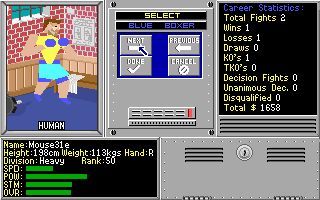
live chat
chat about this game right now — be nice
No messages yet. Say hi!
For two decades MS-DOS was the main gaming platform on PCs. Games launched from the command line and used sound cards like Sound Blaster or AdLib. DOS is the home of legends such as Doom, Prince of Persia and Commander Keen.
Here on oldgame.cz you play it right in your browser via the js-dos emulator — no install, no plugins, on desktop and mobile.
Recommended controls: These games are controlled with the keyboard (see the controls table next to the game). A USB joystick/gamepad can make some titles more comfortable, but is not required.


 ▶Arcade Volleyball1987MS-DOS / PC


 ▶Ski or Die1990MS-DOS / PC
 ▶Brett Hull Hockey '951995MS-DOS / PC

 ▶3D World Boxing1992MS-DOS / PC
 ▶NHL 971996Super Nintendo
 ▶Igo: Kyuu Roban Taikyoku1987Nintendo NES


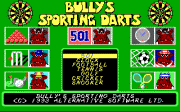 ▶Bullys Sporting Darts1993MS-DOS / PC
 ▶California Games1988MS-DOS / PC
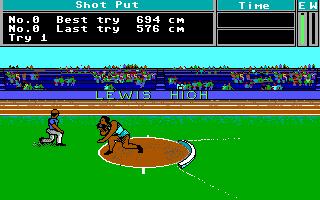 ▶Carl Lewis Go for the Gold1990MS-DOS / PC
 ▶Caveman Ugh-Lympics1989MS-DOS / PC