Esta reseña aún no está traducida — mostramos el original (English).
You're standing behind a tiny shop counter, and your job is to run the place like it's a real business—except your customers are digital creatures that look like they escaped from a Tamagotchi keychain. Tamagotchi Connection: Corner Shop 2 dropped in 2006 as a management sim that somehow convinced people that stocking shelves and ringing up sales could be compelling entertainment. It's the kind of game that takes the handheld toy everyone was obsessed with in the '90s and stretches it into a full PC experience, for better or worse.

The premise is straightforward: run a corner shop, buy inventory, sell items to Tamagotchi creatures, keep them happy, and watch your profit margins climb. You're not just serving customers—you're managing stock levels, pricing goods competitively, and dealing with the demands of a steady stream of colorful digital patrons. It's capitalism in miniature, minus the existential dread and actual consequences. The Tamagotchi Connection branding means your creatures have personality; they'll show up, browse, make purchases, and react to how you treat them. Keep prices reasonable and service them well, and they'll come back. Gouge them, and they'll find another shop down the street.
The actual gameplay loop becomes repetitive fast. Buy low, stock shelves, wait for customers, sell high, repeat. There's a rhythm to it that works for maybe thirty minutes, then the novelty flattens. The interface is functional but clunky; managing your inventory feels like paperwork rather than a game mechanic. The graphics are bright and inoffensive, all pastel colors and simple sprites—appropriate for the Tamagotchi aesthetic but hardly pushing the technical envelope even for 2006. Performance on modern systems is a non-issue, but the game design itself feels thin, like it's stretching a single mechanic across too many hours.
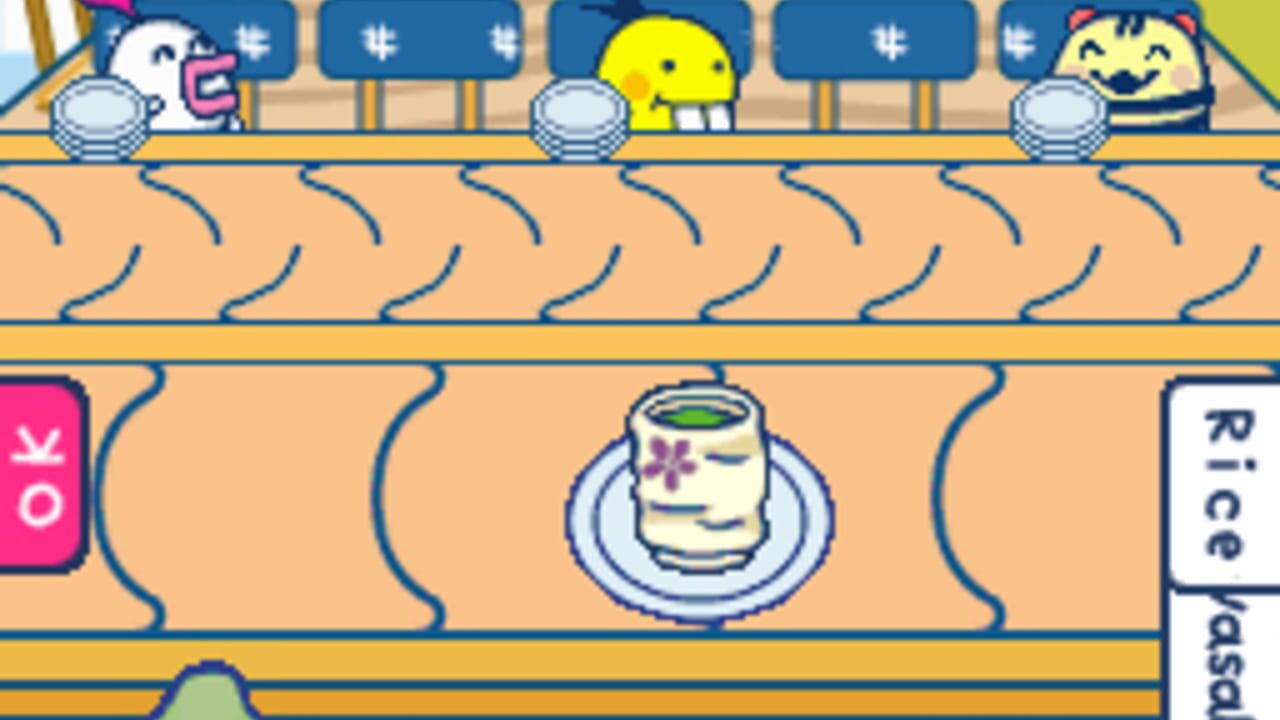
What made this game tick at the time was novelty and the Tamagotchi brand cache. Kids and nostalgic players got a kick out of running their own digital shop populated by these beloved creatures. It was harmless, kid-friendly, and different enough from the typical PC fare to stand out in bargain bins at EB Games. Today, it reads as a curiosity—proof that the early 2000s tried to monetize practically anything with character IP attached, even if the underlying game was thin.
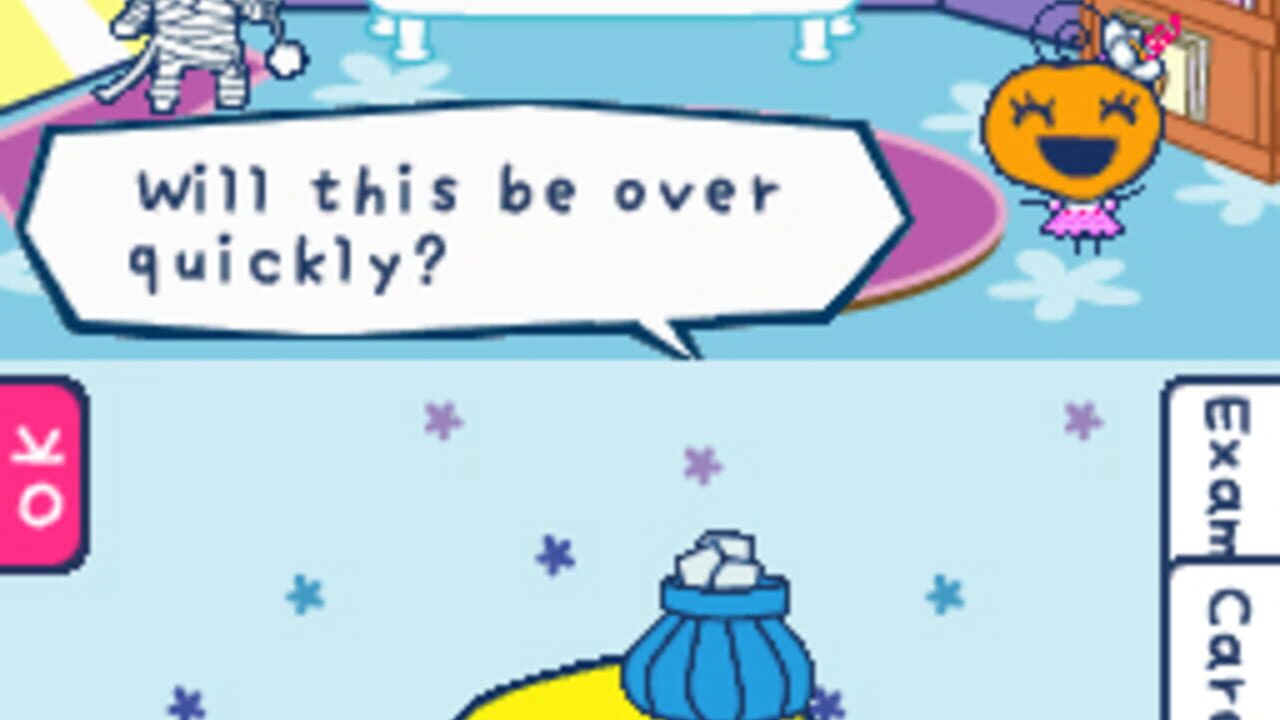
Corner Shop 2 doesn't hold up particularly well because it wasn't built to. It's a marketing exercise dressed up as a sim, and once you see through it, there's not much substance left. If you want a nostalgia hit for the Tamagotchi era and have forty minutes to kill, it's harmless enough to emulate. But genuine management sim lovers will find this wanting—there's no depth to the economy, no real strategy, just the same transactions over and over until you hit an arbitrary goal. It's the digital equivalent of a promotional tie-in: charming in concept, forgettable in execution.
 old

 Simcity 3000 Promoción Ilimitada Vintage Camiseta Gráfica 2Ver en eBay »
 Póster promocional Sim City RARO PC 42 cm x 59 cm #2Ver en eBay »


 ▶Windows 95 in the BrowserMS-DOS / PC


 ▶Pinball Fantasies1992MS-DOS / PC


 ▶NHL '941993MS-DOS / PC
 ▶Free Croatia (DOS game)MS-DOS / PC


