A brand new NES cartridge in 2025. That sentence alone should raise an eyebrow, and honestly, it raised both of mine. This isn't a Steam pixel-art throwback with scanline filters and a lo-fi soundtrack. Someone actually sat down, wrote code in 6502 assembly or something close to it, and shipped a physical game for hardware that Nintendo stopped supporting before the Berlin Wall came down. That takes either serious dedication or a particular kind of stubbornness I can respect.

All Hell Unleashed is a side-scrolling platformer for the NES, and the title does most of the heavy lifting in terms of setting expectations. You're not collecting coins or rescuing a princess. The aesthetic and naming suggest something darker — demons, chaos, the kind of Saturday-morning-cartoon-meets-heavy-metal energy that a certain corner of the NES library always flirted with but rarely committed to. Think Ghosts 'n Goblins territory, though I won't pretend I can map its exact mechanics from here.
What I can tell you is what it means to play a genuine NES game in 2025, whoever made it. The hardware ceiling is real. Two hardware sprites per scanline before flicker sets in, a palette of 54 colors of which you realistically use a fraction, and a CPU that would struggle to run a modern web font. Working inside those constraints isn't a creative exercise anymore — it's archaeology with a soldering iron. When the game hits a wall of enemies and the screen starts flickering, that's not a bug. That's the machine breathing hard, same as it always did.
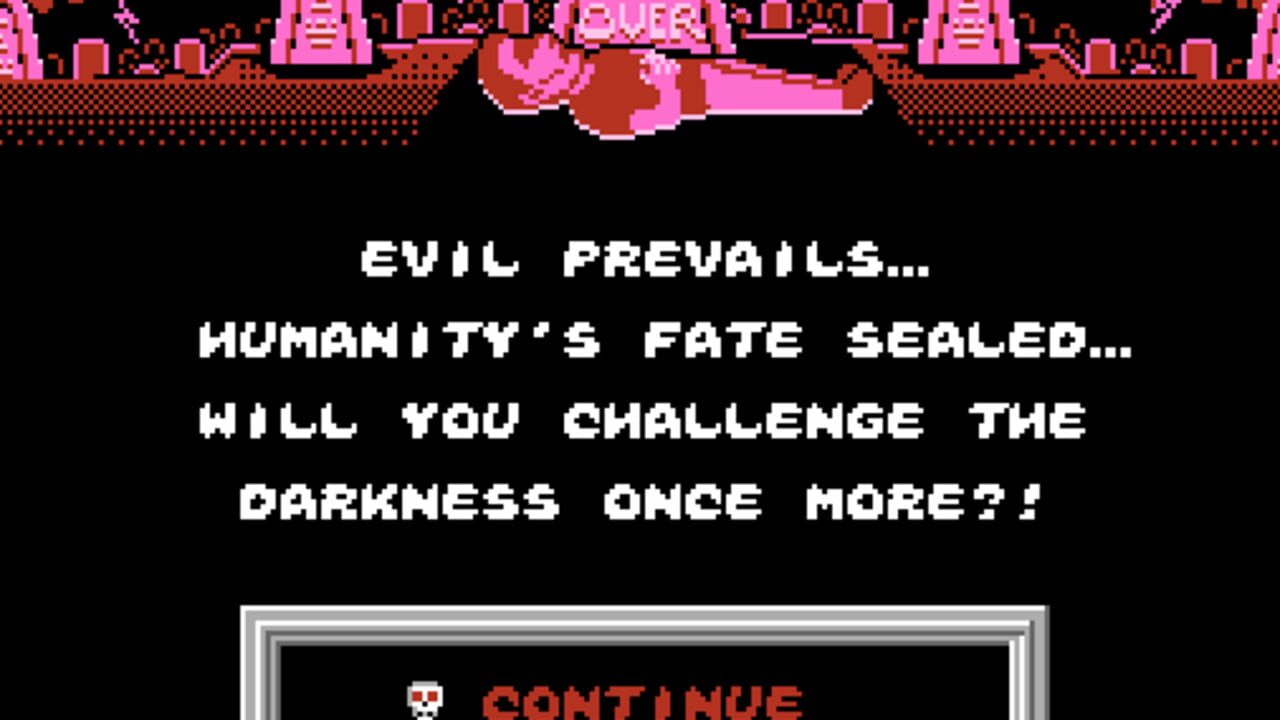
The question worth asking about any homebrewed NES title is whether the developer understands the grammar of the platform or just its appearance. The great NES platformers had a physical weight to their controls — jump arcs you could feel in your fingers, hit detection that was fair enough to make death your fault. If All Hell Unleashed gets that right, it belongs on the shelf next to the originals. If the controls float or the difficulty spikes arbitrarily, no amount of authentic hardware will save it. That's a line the original NES library crossed constantly in both directions.

This is niche by definition. You need actual NES hardware or a cycle-accurate emulator, and you need to care enough about the platform to seek out a 2025 release for it — which puts you in a very small room. But that room exists, and the people in it are not casual about what they play. For everyone else, it's a curiosity worth knowing about: proof that the NES, forty years on, still has people writing new chapters for it. Whether this particular chapter is worth reading depends on execution I'd want to see firsthand. The premise alone earns it a look.
 old

 Super Mario Bros Since '85 SS Gray T-shirt Nintendo Shirt在 eBay 查看 »
 Gold Super Mario Figure Statue Club Nintendo Platinum在 eBay 查看 »

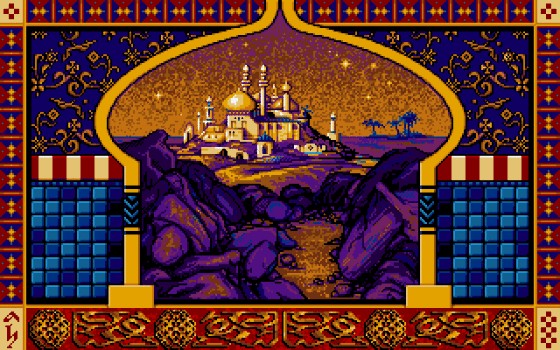

 ▶Hugo 31995MS-DOS / PC


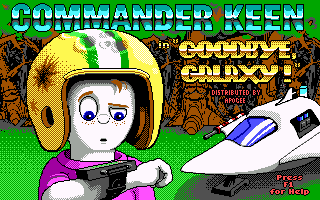 ▶Commander Keen 4: Secret of the Oracle1991MS-DOS / PCAztec Challenge▶Aztec Challenge1983Commodore 64


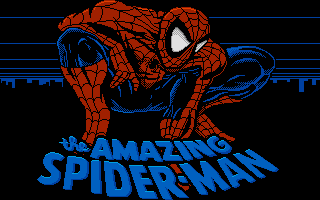 ▶Amazing Spider-Man1990MS-DOS / PC


 ▶Sonic The Hedgehog 21992Sega Mega Drive
 ▶Giana Sisters1987MS-DOS / PC
 ▶Tiny Toon Adventures: Buster's Hidden Treasure1993Sega Mega Drive

 ▶Super Mario 64 MS-DOS Port2020MS-DOS / PC
 ▶Ghouls 'n Ghosts1988Sega Mega Drive

 ▶Mario DOS Demo1994MS-DOS / PC