Year 1989, a floppy disk slides into the drive, and on the screen appears something that looked like nothing I'd ever seen before. Xenocide confused me before I even had time to read the manual.
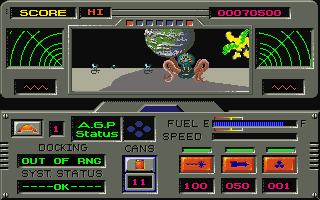
The basic story is simple to the point of transparency: aliens are attacking your home planet and you're the only hope for civilization's survival. A motif so worn out it wouldn't warrant mention on its own. But Xenocide by Micro Revelations doesn't stand or fall on the story — it stands on how it forces you to play.
And that's where things get interesting. The game doesn't cling to a single perspective style. One moment you're playing in first-person view, shooting at something hurtling toward you down a corridor. Soon the camera switches and suddenly you're watching your character from the side like in a platformer. Then comes the top-down view and the action becomes something closer to an old arcade shooter. Each of these modes would be mediocre on its own in 1989 — in combination though, they hold your attention in a way that purely genre-focused games of the era couldn't manage. The controls match the era: keyboard-centric, no mouse, and with some getting used to it's survivable, but the modern player feels like they're typing on a typewriter with missing keys for the first minute.
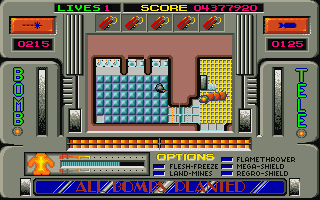
What I remember best about Xenocide is that sense of mild disorientation, which wasn't a flaw but intentional. The game deliberately didn't let you settle into the comfort zone of one play style. At a time when most action games on DOS knew exactly what they wanted to be, Micro Revelations chose the path of experimentation. Visually the game has aged without mercy, of course — but that applies to ninety percent of 1989 output, so that's not a criticism, more of a statement of reality.
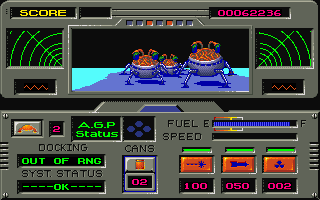
Today Xenocide will appeal mainly to those interested in gaming history from an era when genre boxes weren't yet so firmly cemented. It's not a masterpiece you'd find on every classics list, but as evidence of what was being attempted and tested back then, it has its value. You can run it in an emulator in your browser without installation, so the investment is minimal — and minimal are your expectations if you spend an hour with it purely out of curiosity.
 old
old


 ▶Doom1993MS-DOS / PC


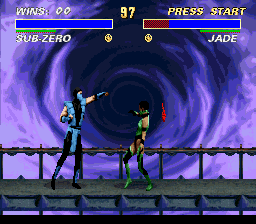 ▶Ultimate Mortal Kombat 31996Super Nintendo


