You're building a colony on undiscovered shores and realize your best friend — the merchant's frontier — just backstabbed you. Sid Meier's Colonization from 1994 isn't just a chronicler of American settlement. It's a game about the rivalry of European powers, played through diplomacy, trade, and the quiet knife in the back.

Frontier strategy that you control as one of four colonists — English, French, Spanish, or Dutch. Your mission is straightforward: develop a colony from a seedling into a viable state capable of rebelling against the mother country. You map unknown territories, establish settlements, extract resources. Trade is your bread and butter — you haul tobacco, sugar, and hides to Europe, import weapons and horses. There's also something special about the Native American tribes, which you can push out, buy their favor, or trade with. Everything revolves around economics and timing.
Playing is slow and thoughtful — not boring, but rather meditative. You click across the map, decide where to send colonists, which building to construct, and when to get bogged down in diplomacy papers. Turn after turn you learn what makes you rich — agriculture or factory work, trade or military preparation. For a while it feels safe, then one of your rivals pulls a fast one and you realize you've focused too much on money. There's no action, no tick-tick-tick. There's eighty years of waiting for the right moment.
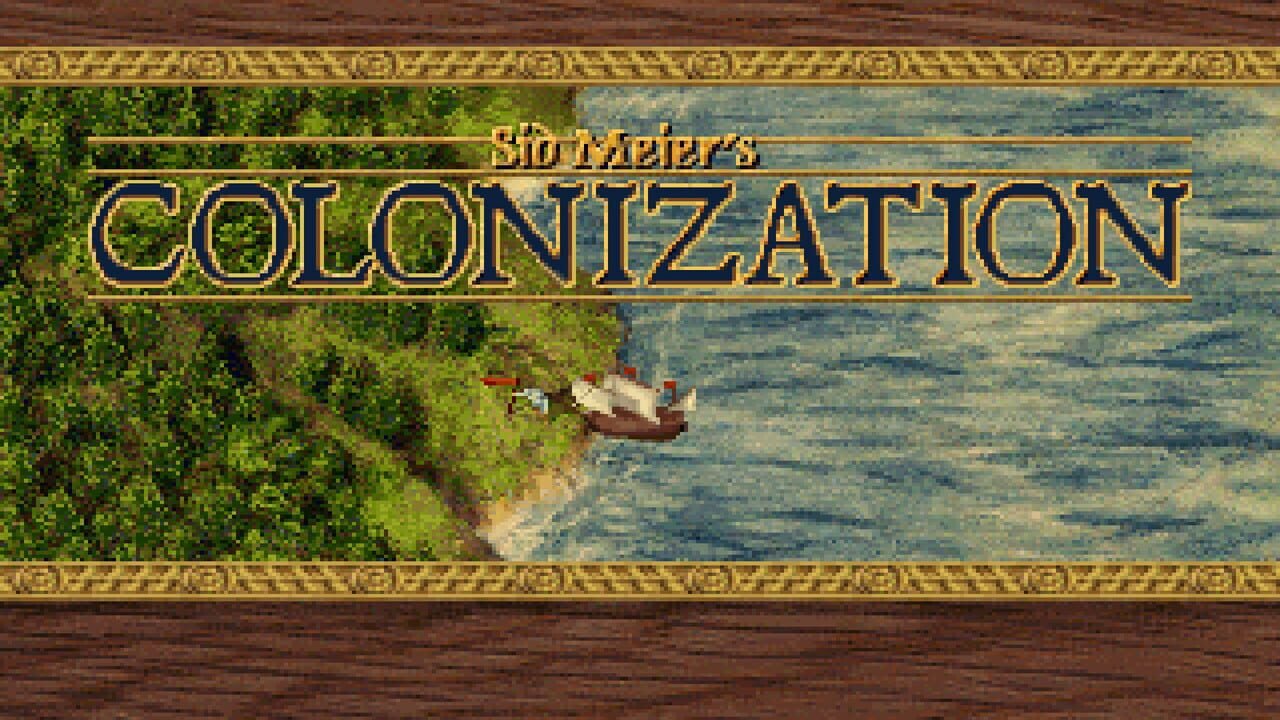
Colonization became the mother of all modern 4X strategies — if only because it sprang from Civilization III DNA and added a layer of historical setting you see in every builder game today. In the nineties we took it as the strictest manager-decision simulator personal computers ever got. The graphics are functional, the music unremarkable, and you discover the map through exploration — all of it breathes the era when strategy games didn't need to be fancy. It's aged exactly as expected: the contrast between depth and today's tactile era makes it look archaic.

These days you'll pick it up for nostalgia or because you're curious how strategy games were played before designers got graphics-obsessed. The mechanics are simple and clear — no modern soup of toggles. If you've got time and the mindset that you're among colonists from 1607, it won't drag you down.
 old
old
 ▶Big Business1990MS-DOS / PC


