لم تُترجم هذه المراجعة بعد — نعرض النص الأصلي (English).
This game won't entertain you with the sci-fi combat styling its name promises. You're here for a logical brain-teaser from 1982, when computers were just learning that a game didn't have to just beep and blink. Alien is as old as Windows 1.0 and plays in text mode like the vast majority of DOS puzzle games from that era.
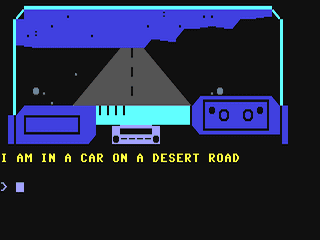
Simple premise: you're not an officer or soldier, just a station administrator playing strategy games with alien creatures. Your goal is to survive their invasion, position your units, and decide which fields you can defend and which are lost causes. It's not Dune or StarCraft — it's a quietly defiant puzzle with a grid layout and odds calculated in your head.
The mechanics are bare, almost charmingly crude. You move your cursor, issue commands, read information about enemy positions and your own units. The computer won't tell you where everyone is right away — you have to figure it out logically. It's not stressful, more meditative, almost grim. Turn after turn you wait to see what the computer does, then respond. No visual effects, just numbers and text. Be precise, or you'll lose to your own poor guess.
Fifty years later, Alien has aged worst in the one area it shouldn't have: feedback. You don't see animation, you don't see battle, you don't see anything dramatic. Your brain has to imagine the scene from the data you read sentence by sentence. Readers and logical thinkers loved it — everyone else didn't. Today only collectors and fans looking to experience authentic DOS strategy without unnecessary graphics and sound will appreciate it.

If you want to remember how strategic thinking was played without 3D and without dramatization, this game in your browser is worth a try. But prepare yourself for patience and a love of text-based formats. Otherwise it's mainly an archive, not entertainment.
 old
old

 ▶Teenage Queen1988MS-DOS / PC

 ▶Mario is Missing!1992MS-DOS / PC
 ▶The Backyard1993MS-DOS / PC


 ▶Tetris1985MS-DOS / PC
 ▶Boulder Dash1984MS-DOS / PC
 ▶Vlak1993MS-DOS / PC

 ▶Supaplex1991MS-DOS / PC
 ▶Sokoban1984MS-DOS / PC