Bài đánh giá này chưa được dịch — chúng tôi hiển thị bản gốc (English).
Winter 1995, a 486 roaring beneath the desk, the sound of drums and orc screams blaring from the speakers. Warcraft II: Tides of Darkness from Blizzard wasn't the first real-time strategy game on the market, but it was the first one that glued me to the monitor past midnight.

It's an RTS set in a fantasy world, a direct continuation of the first Warcraft. Humans versus orcs, two continents, two campaigns with different stories. You build a base, harvest gold and wood, train units, and eliminate the enemy. Nothing revolutionary on paper — except Blizzard understood that detail and polish make the difference between average and a cult classic.
The controls are straightforward, selecting unit groups with the mouse worked smoothly by the standards of the time. Each side has mirrored units with minor differences — orcs have trolls, humans have elves, orcs have shamans, humans have paladins. The tech tree is deep enough to reward strategic thinking, but not so complex that it discourages newcomers. What hasn't aged well is the AI of your own units — they get stuck behind trees, drown at the shore without orders, and ignore enemies in plain sight. Micromanagement, which we consider standard today, here meant literally dragging each soldier by the hand.

I remember Warcraft II mainly for its atmosphere. Music composed for each race, orc growls with every click, a ship captain's quip when you pester him too long — these are the things that burned into memory and stayed there for thirty years. The VGA-resolution graphics looked fantastic in 1995 and still have an honest pixel-art charm today. The game also offered a map editor and multiplayer gaming via modem or network — for half my classmates, it was their first encounter with the term "LAN party," though back then we just called it "bring your computer over to our place."

Today, Warcraft II is a must-play for anyone wanting to understand the roots of the genre, or simply experience what Blizzard built an entire empire on. You can play it in a browser with no installation, no drivers, no hunting through the cupboard for old floppy disks. Forty missions across both campaigns make for a well-spent weekend. And if the lack of auto-mapping or manual worker deployment throws you off — that's not a flaw, that's an era.
 old

 World of Warcraft Reign of Chaos Graphic Washed T-ShirtXem trên AliExpress »
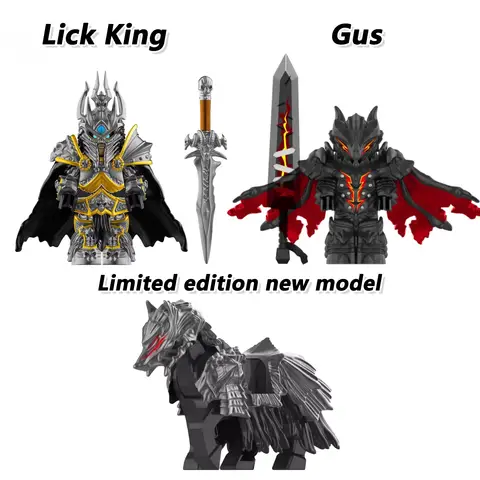 World Of Warcraft Wow Building Blocks Lich King Mini ActionXem trên AliExpress »


 ▶Chess1998Sega Mega Drive


 ▶Big Business1990MS-DOS / PC

