Denne anmeldelsen er ikke oversatt ennå — vi viser originalen (English).
It's 1993, evening, my parents are asleep and I'm kneeling at the computer with headphones on because the Sound Blaster couldn't blast loudly at night. On the screen: jungle, the Mekong Delta, and four guys in black fatigues. SEAL Team from Electronic Arts — a game nobody remembers today, yet back then it did quite a few things differently than the rest.
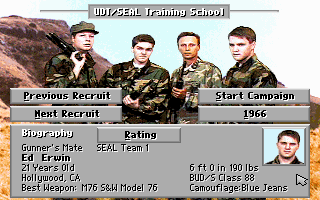
EA released it in 1993 for MS-DOS and set it in the Vietnam War. You command a team of Navy SEALs operating in the Mekong Delta — the real deal, dirty conflict far from Hollywood's straightforward action. Each mission comes with its own objective, and before each one you assemble a four-man team, with soldier selection and loadout being no joke. This was the seed of thinking in 1993 that would grow through the entire nineties in tactical strategy games.
The game controls via a combination of tactical map and direct terrain view, team movement was detailed for its time — cover, formations, silent eliminations. The problem was the interface shamelessly demanded your time. The manual was a necessity, not a bonus. Skip it and you'd wander the Delta for the first hour clueless. And the game wouldn't help you one bit, not even a hint of a tutorial. That wasn't unusual in the nineties, but it hurt more here than usual because the actual gameplay could be rewarding — if you could trudge through to it.
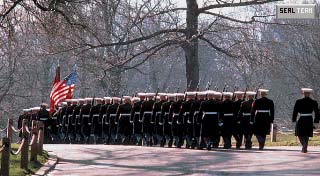
Graphics and sound were average for release year, nothing revolutionary. EA had titles back then that looked better. What set SEAL Team apart was the theme and approach — Vietnam operations from a special forces perspective wasn't a gaming cliché back then, more like a bold choice. But the game never found its audience. Sim enthusiasts thought it too shallow, casual players were turned off by the controls. It flopped commercially, and today only DOSBox curiosity collectors and those who really were hunting for something other than Doom or Command & Conquer remember it.
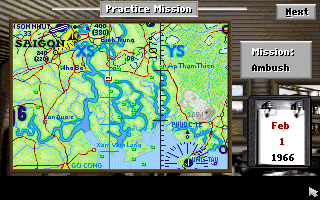
I'd recommend it today with caveats. If you're curious how people thought about tactical sims before Rainbow Six and SWAT, SEAL Team is a valuable artifact. The controls feel twice as cumbersome today, you'll need to hunt down the manual and accept that the game won't meet you halfway in the slightest. But that feeling when your team completes a mission without losses and you know it was your plan — that was good then and it still makes sense today.
 old
old


 ▶Cartooners1989MS-DOS / PC


 ▶Alter Ego1986MS-DOS / PC


 ▶Cross Country Canada1991MS-DOS / PC


