Ova recenzija još nije prevedena — prikazujemo izvornik (English).
In 1993, I first realized that an adventure game could be genuinely terrifying — not through pixelated blood, but through atmosphere that creeps in like fog from the sea. Shadow of the Comet by Infogrames (licensed from the Cthulhu Mythos) is exactly that kind of game.

You play as a young British photographer and amateur astronomer who arrives in the isolated coastal town of Innsmouth sometime in the early twentieth century. The goal seems simple enough: document the passage of a comet that a certain professor observed here a decade ago, only to go mad and die in an asylum shortly after. Lovecraft here is of course more than mere inspiration — it's literally his world, his atmosphere, his logic, where the more you know, the worse you feel.
The game functions as a classic point-and-click adventure with an interface that was standard for its time — you click, collect, combine, and talk. Innsmouth is small but surprisingly lively, full of characters who watch you with suspicion, answer evasively, and gradually reveal that outsiders aren't particularly welcome in this town. The developers bet on slow tension-building rather than straightforward horror gags. It works. The game has one trait that annoyed people then and annoys them now: you can play yourself into a dead end from which you can't escape without loading an old save. Save often and in multiple slots — this lesson from the nineties still applies today.
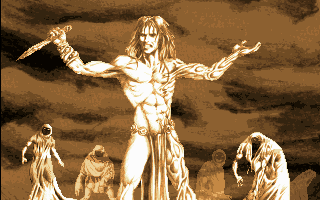
What set Shadow of the Comet apart from the crowd was its detailed painted backgrounds and the genuine sense that the town exists independently of you. The music and sound effects from SoundBlaster enhanced the atmosphere rather than created it — but it was enough. The graphics age gracefully, the writing holds up well, the story stays coherent. What's aged poorly is mainly the interface and at times the brutal logic of puzzles that demand an exact sequence of steps without any hint. This kind of fairness from nineties adventures is nowadays more of a source of frustration than challenge.
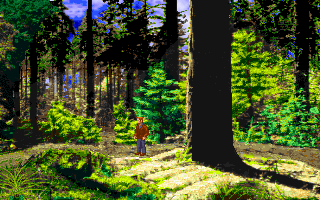
Today Shadow of the Comet will appeal to anyone who wants an adventure game that takes Lovecraft seriously — without irony, without action, just with that cold uncertainty about whether the protagonist is still in his right mind. You can run it in your browser without trouble, and your first few hours in Innsmouth will show you that 1993 knew how to do horror without a single monster on screen.
 old
old


 ▶Amazing Spider-Man1989MS-DOS / PC


