"I am Dr. Sbaitso. How are you?" When that first sentence from a virtual psychotherapist appeared on a black DOS screen, I knew I was about to chat with artificial intelligence from 1992 that would do exactly what I told it to. And nothing more.
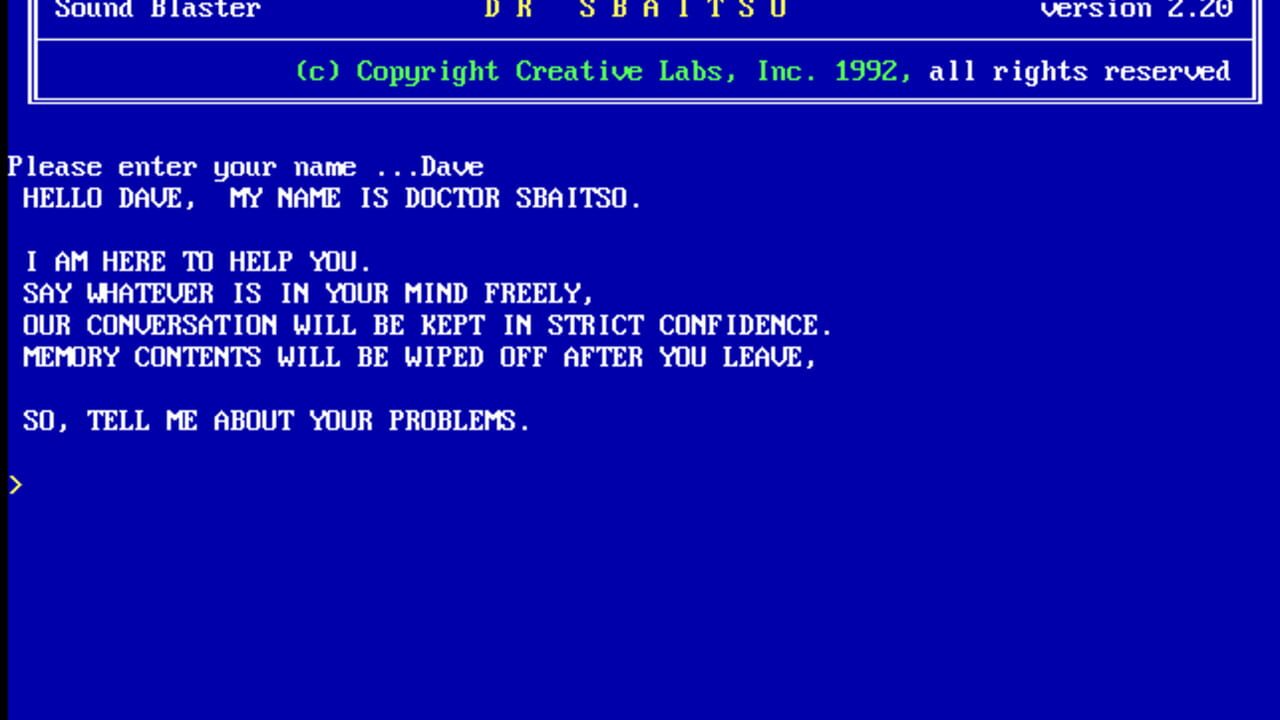
Dr Sbaitso is a psychiatry session simulator, with one catch — you're talking to a computer pretending to listen to you. The application came bundled with Sound Blaster sound cards and served as a proof-of-concept for speech recognition. You type text on the keyboard (or if you have a microphone, you can speak a sentence aloud), and the program attempts to respond. The technology behind it works on simple keyword matching and pre-written responses.
Playing is strangely captivating once you realize what's actually happening. Dr Sbaitso acts like a real therapist — if you say "I'm depressed," it responds with something like "Hmm, that sounds serious. Tell me more." But at the strangest moment, just when you feel it's actually listening to your problem, you realize it's only reacting to certain words. Mention a cat, and it starts asking about your relationship with cats. It's like talking to someone who couldn't care less about you, but pretends they do.
Time has been merciless to this thing. Speech recognition in 1992 was worse than an iPhone understanding a Brno accent today — barely at all. Text input works better, but chatting with Sbaitso swings between hilarious and frustrating. Try typing anything more serious and you either hit the patches where the game reacts to tiny word variations, or you get an answer that's completely irrelevant. The program behaves like a therapist who glanced at their notes and always remembers the same observation, no matter what you just said.
And that's exactly where the magic lies. Today, watching it or playing with it means experiencing the beginning of AI assistants as the previous generation imagined them. Dr Sbaitso isn't a therapist. He's an illusionist with a password list who managed to prove that you can dull someone's sadness with a well-timed "Hmm." And in 1992, that was revolutionary enough to be talked about twenty years later.
Today you play it mainly for context, for the story of how far we've come (and haven't). You'll fire it up in your browser some morning just to remember what "AI" was before AI became real. It's a time capsule in digital form — quirky, funny, and pierced by the sheer honesty of its own limitations.
 old

 Simcity 3000 Unlimited Promo Vintage Graphic T-shirt 2 3 4एफ़िलिएट लिंकeBay पर देखें »
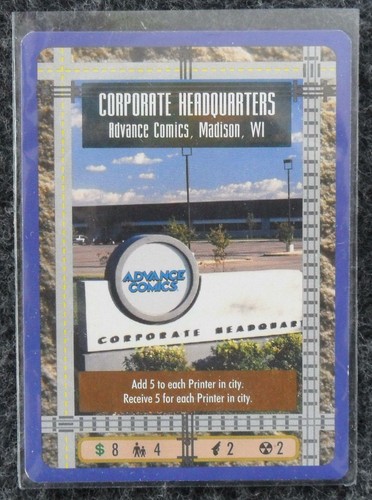 Sim City The Card - Advance Comics Promo - Corporateएफ़िलिएट लिंकeBay पर देखें »
 EA SimCity 3000 Framed Vintage Advert Poster Original PC Adएफ़िलिएट लिंकeBay पर देखें »
 1991 SNES Nintendo Ad Flyer Ad PilotWings Sim City Superएफ़िलिएट लिंकeBay पर देखें »
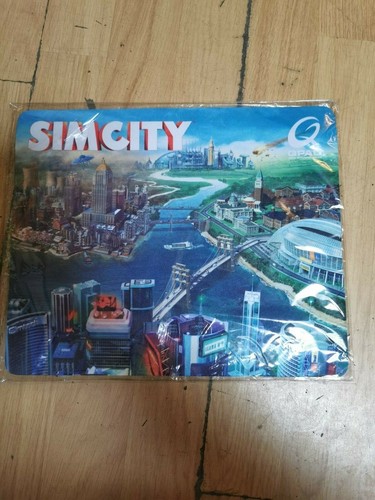 SimCity Mouse Padएफ़िलिएट लिंकeBay पर देखें »
 Electronic Arts - Sim City German Buildings Add On 2013 /Pcएफ़िलिएट लिंकeBay पर देखें »


 ▶Pinball Fantasies1992MS-DOS / PC

