 old
old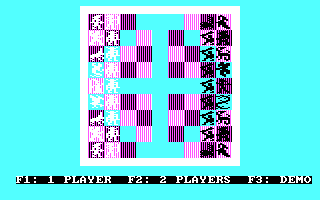
Hru Archon - The Light and the Dark tu nemáme na hranie ani na stiahnutie. Možno ju však zoženieš legálne:
Reklama
 Amiibo Bandana Waddle Dee & Winged Star (Kirby Air Riders)31,43 €Kúpiť na Alze »
živý pokec
pokec o tejto hre v reálnom čase — buď slušný
Zatiaľ tu nikto nepísal. Napíš prvý!
O platforme 1981–2000
MS-DOS bol srdcom počítačového hrania 80. a 90. rokov — otvorená PC platforma, na ktorej vznikli tisíce hier od textoviek a adventúr cez stratégie až po strieľačky, čo definovali žáner (Doom, Wolfenstein 3D). Nie je to konzola, ale herný domov celej generácie.
Tu na oldgame.cz si ju zahráš priamo v prehliadači cez emulátor js-dos — bez inštalácie, bez pluginov, na počítači aj mobile.
Odporúčané ovládanie: Tieto hry sa ovládajú klávesnicou (pozri tabuľku s ovládaním vedľa hry). Pri niektorých tituloch je pohodlnejší USB joystick/gamepad, ale nie je nutný.

 ▶Prehistorik 21993MS-DOS / PC


 ▶Hugo 31995MS-DOS / PC

 ▶Dangerous Dave in the Haunted Mansion1991MS-DOS / PC


 ▶Toy Story1995Sega Mega Drive


 ▶Contra1988MS-DOS / PC
 ▶Commander Keen 4: Secret of the Oracle1991MS-DOS / PC


 ▶Giana Sisters1987MS-DOS / PC