이 리뷰는 아직 번역되지 않았습니다 — 원문(English)을 표시합니다.
She's dressed in red, bouncing across platforms that feel like they're held together with duct tape and spite. Double Cross, a 1991 platformer for DOS, arrived when the market was already drowning in pixel-hopping heroines. Everyone had one by then—publishers were churning them out like assembly line workers on overtime. But here's the thing: not every game that checks the box actually knows how to make jumping feel good.

The premise is straightforward enough. Your unnamed red-clad protagonist needs to work her way through a series of levels, collecting items and avoiding enemies in the classic side-scrolling tradition. It's the formula that had worked for years: dodge, grab, progress. Double Cross doesn't reinvent anything. It doesn't try to. It just wants you to get from the left side of the screen to the right, preferably without dying too many times.
Here's where things fall apart. The platforming mechanics feel sluggish and imprecise—your character has the momentum of someone wading through wet concrete. Jumps don't have that snappy responsiveness that makes platformers sing. Instead, there's a lag between input and action, a slight hesitation that throws off your timing when you're trying to thread a series of obstacles. The enemy placement often feels arbitrary rather than designed, and collision detection has that late-DOS jankiness that punishes you for being in the vague vicinity of danger. You'll take damage and feel cheated rather than outplayed.

The visuals are competent but unmemorable—typical early-nineties DOS fare with a color palette that looks like someone found every crayon in the box and used them all at once. There's no personality in the level design, no sense of progression or discovery. You're just moving right, occasionally up, waiting for the level to end so you can move to the next one that looks almost identical.
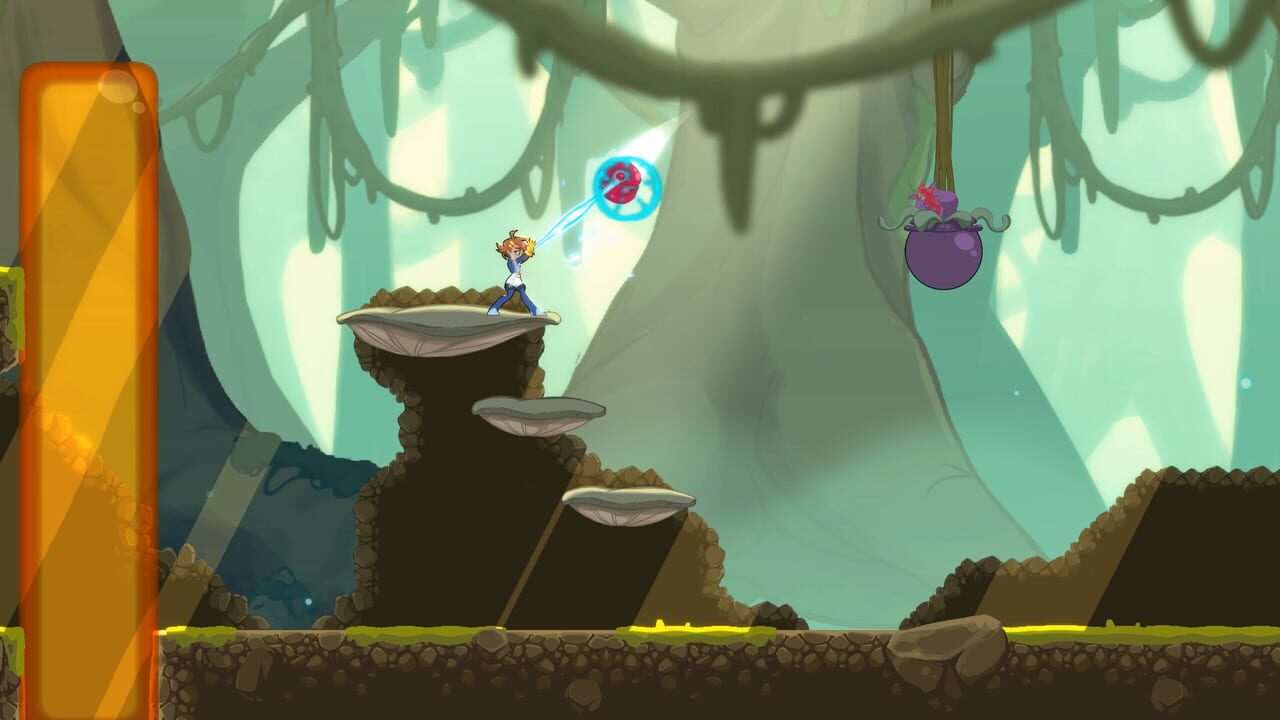
What Double Cross represents is the exhaustion of a genre before it could properly reinvent itself. By 1991, platformers needed either technical polish or creative spark. This game offered neither. It's competent in the way that a piece of beige furniture is competent—it exists, it functions, and it leaves no impression whatsoever. If you're mining the era for every platformer that shipped, sure, click through it. But if you want to remember why you loved these games, look elsewhere.
 old

 Crash Bandicoot T-Shirt - Winking Postcard Image제휴 링크eBay에서 보기 »
 Crash Bandicoot Action Figure Collection Toy Full Set제휴 링크eBay에서 보기 »
 Crash Bandicoot Plush Keychain Figure PlayStation Smile TNT제휴 링크eBay에서 보기 »
 Crash Bandicoot Team Rumble Deluxe Edition GameStop Promo제휴 링크eBay에서 보기 »
 Crash Bandicoot Aku Aku Mask Wall Mountable playstation제휴 링크eBay에서 보기 »
 Crash Bandicoot Figure 22cm Controller Holder Collectors제휴 링크eBay에서 보기 »


