این نقد هنوز ترجمه نشده است — متن اصلی (English) را نشان میدهیم.
I pulled a 486 out of the basement. I haven't said that sentence seriously since around 2003, but Asterix: Operation Getafix made me say it again. Emulation just didn't work — DOSBox crawled at a snail's pace, Windows XP ran it way too fast, and Moslo had such fundamental issues with the game that it wasn't even worth trying further.

The game comes from the French studio Coktel Vision from 1989 and builds on the beloved comic universe of Goscinny and Uderzo. The name Getafix in the title hints that the druid plays a key role — and indeed, the plot revolves around him. It's an action title for MS-DOS that makes full use of the license: Gallic heroes, Romans, comics as inspiration for the visual style.
For 1989, the graphics were genuinely above average. Coktel Vision knew how to squeeze decent results out of contemporary PC hardware, and the colorful environments with recognizable comic characters will please you even today. But sound is another story. The game clearly expected specific sound hardware that the vast majority of players didn't have — the result is occasional, completely unrelated sound bursts from the speaker that frighten more than delight. Sound Blaster? Nothing special. PC speaker? Not great either. Just silence and something once in a while.

The biggest problem with Operation Getafix isn't the game itself, but the fact that it's nearly impossible to run it properly today. Too slow in DOSBox, too fast without limitations — the window where the game runs acceptably is as narrow as a legionary's nerves after a run-in with Asterix. Those who played it on original hardware in the nineties probably experienced a decent action game with a license that wasn't just an empty shell for mediocre content. Coktel Vision made licensed titles back then with more care than was typical.
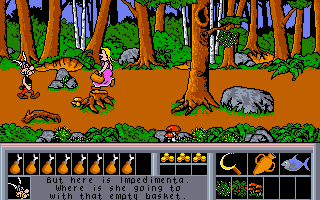
Today, Operation Getafix is mainly a curiosity for collectors and Asterix fans who want to see how the franchise was handled in the early PC gaming era. If you have a physical 486 at home or enough patience with emulation, you'll get a working action game with nice graphics for its time. Everyone else will probably remember why they took that 486 to the scrapyard in the first place.
 old
old


 ▶Doom1993MS-DOS / PC


 ▶Contra1988MS-DOS / PC


 ▶Ultimate Mortal Kombat 31996Super Nintendo