Year 1992, nuclear apocalypse and four factions fighting over the ruins of the world. Sounds like a scenario that would sell today as a AAA title for fifty euros — back then it was a dozen pixels on a floppy from publisher QQP.
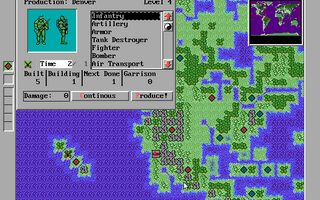
Battles of Destiny by Holistic Design is a turn-based strategy set in a post-apocalyptic world after nuclear war. No fantasy elves, no historical battles — just a scorched planetary map and several factions that decided survival isn't enough, they want to rule too. You pick one of twenty-plus game territories, set the number of opponents, and then dive into a turn-based tug-of-war for control over the remnants of civilization.
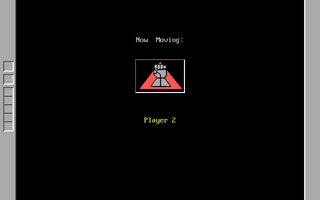
The gameplay stands on a classic turn-based foundation — units, movement, combat, economy. QQP was publishing turn-based strategies in bulk back then and Battles of Destiny fit pretty precisely into their catalog. The map selection gave the game decent replay value at a time when that wasn't a given. Multiplayer support on a single computer — typical hotseat affair — was a bonus that made me remember this type of game even through winter when it rained outside and nobody felt like going out. Controls were straightforward, the manual necessary, the interface about as welcoming as a tax return.
What aged worst for this game is the visual side — and I say that as someone who has a sentimental attachment to the VGA palette from 1992. Battles of Destiny wasn't visually stunning even back then. The sound component on a PC speaker was functional, Sound Blaster elevated it to tolerable. The strong point, however, remained the setting — post-apocalypse as a game space was rather rare in turn-based strategy back then, most competitors went for medieval or sci-fi space. This game went elsewhere, and that counts.
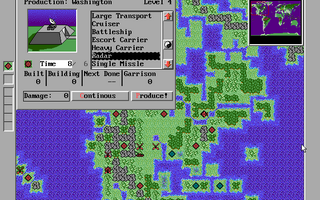
Today Battles of Destiny suits anyone who wants to be reminded what turn-based strategies looked like before Civilization II came and set the bar differently. It's not a masterpiece, but it's an honest genre product of its time — without unnecessary dead weight, with enough maps to keep you entertained for a few evenings. You'll run it in a browser through DOSBox without trouble, and if you're fascinated by how game design looked at the beginning of the nineties, it's a valid historical document.
 old

 Warhammer Black T-Shirt在 eBay 查看 »
 McFarlane Toys Warhammer 40,000 Action Figure - Primaris在 eBay 查看 »


 ▶Chess1998Sega Mega Drive


 ▶Big Business1990MS-DOS / PC

