Bài đánh giá này chưa được dịch — chúng tôi hiển thị bản gốc (English).
1991, something appears on the monitor that looks like oil painting. My classmate's jaw dropped in Brno — except he had an Amiga, not my boring grey PC.
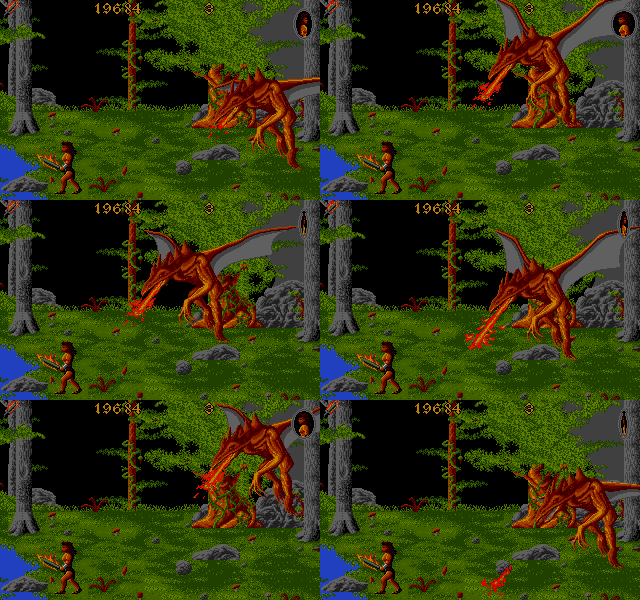
Unreal by Ordilogic Systems is an action game from 1991, originally designed with a strong emphasis on visuals. The setting is typically fantasy — swords, magic, strange creatures, nothing that would surprise with its premise back then. The reason people remember it wasn't the story or depth, but how it looked.
Gameplay is straightforward action: movement, combat, survival. Controls fit the standards of the time and the game doesn't rely on complex mechanics. That comes with a price — you quickly understand what's expected of you — but it also means there aren't many layers under the shiny surface. Combat is more about reflexes and patience than tactics. Anyone expecting depth will leave disappointed. Anyone who wants to take a break and smash things in a beautifully rendered environment will be satisfied.

The game's greatest merit lies elsewhere: graphics on the Amiga truly commanded respect at the time. Colorful, detailed backgrounds and animated creatures showcased what the platform could do. Much like Shadow of the Beast, Unreal pushed the boundaries of what was considered possible on a home computer. On the PC version, some of that beauty was lost — the hardware simply couldn't keep up. But still, it was a title where you'd just stare for a moment instead of playing, something that couldn't be said about every game back then.
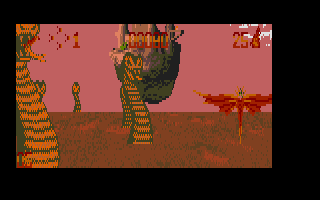
Today it's mainly a historical artifact. Gameplay has aged moderately — it's not bad, but not unforgettable either. Anyone with a connection to the Amiga era and wanting to recall what that platform used to dominate in terms of aesthetics compared to PC games will find what they're looking for. Others will probably hit the brakes after a few minutes. But as evidence that graphics can turn an average game into a cult memory — Unreal rests its case without appeal.
 old
 Kampfhund - Mechanischer Wolfenstein - Warning Sign T-ShirtXem trên AliExpress »
 William J Blazkowicz Hoodie Death Bj Id Sofware Retro PcXem trên AliExpress »


 ▶Bubble Bobble1989MS-DOS / PC


 ▶Ghosts N Goblins1987MS-DOS / PC


