این نقد هنوز ترجمه نشده است — متن اصلی (English) را نشان میدهیم.
I remember when I first got my hands on the original Gateway and thought, finally, someone understood how a text adventure should look for people who read sci-fi. The 1993 sequel followed the same path and added even more.
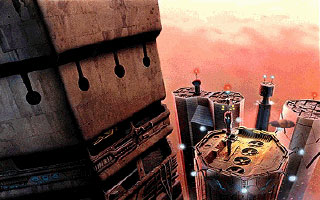
Gateway 2: Homeworld continues the story from the previous installment set in Frederik Pohl's universe. You play as the hero who saved humanity, cashed in fifty million dollars, and retired peacefully. But the peace doesn't last long — a massive object of unknown origin suddenly appears near Pluto, and the world starts revolving around you again. Legend Entertainment knew perfectly well how to write an opening page that forces you to keep reading.
The controls combine a text parser with graphics — Legend's signature approach that proved successful in the first game. You type commands, the game responds, and the feedback has surprisingly good pacing. The parser is more tolerant than many contemporary alternatives, but every now and then you'll hit a situation where you know exactly what you want to do and spend three minutes figuring out how to say it in English so the game understands you. That was true almost everywhere in 1993, so I can't complain too much.
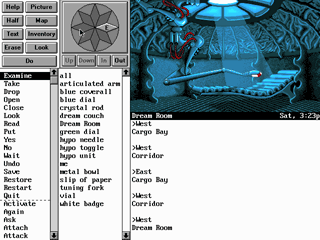
What keeps Homeworld alive even today is atmosphere. Legend knew how to write. The dialogues carry weight, the sci-fi setting isn't just wallpaper, and the entire story isn't afraid to pose questions you won't find answers to in five minutes. Compared to the simpler adventures of that era, Gateway 2 feels mature — it doesn't dazzle with colors or music, but the text pulls you forward. The graphics are functional and won't offend anyone, sound serves as backdrop. Only one thing aged poorly: a dependence on very specific word order in critical story moments can really frustrate modern players.
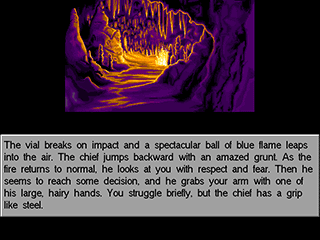
Today Homeworld suits those who love stories, have patience, and don't mind having to push through the game a bit. It's not action, it's not a puzzle box with simple riddles — it's a well-written space thriller in a form that's simply not trendy. That's exactly why it's worth trying in a browser, where nothing stops you from saving at any time and coming back when you're in the mood to read again.
 old
old


 ▶Amazing Spider-Man1989MS-DOS / PC


