Этот обзор ещё не переведён — показываем оригинал (English).
You're herding cattle across screen after screen, and it's somehow working. Barnyard, Blue Tongue Entertainment's 2006 Game Boy Advance tie-in to the DreamWorks film, isn't what you'd expect from a licensed movie game—it's a compact little adventure that actually has its own rhythm, even if that rhythm occasionally hiccups.

The setup is straightforward: you play as Otis the cow, moving through a series of pastoral levels doing what cows apparently do in arcade adventures. There's collecting, there's navigating, there's the occasional puzzle that boils down to "push this here, go there." It's not particularly deep, but it's structured like someone actually thought about pacing across a handheld screen. The game doesn't try to be a full-fledged console experience scaled down—it knows what it is, which is already halfway to respectability for licensed GBA fare.
The mechanics are simple, almost to a fault. You walk, you interact with objects, you solve minor obstacles. Combat exists but barely registers; mostly you're moving through environments and completing fetch-quest-style objectives. The real friction comes from the Game Boy Advance's limitations meeting what feels like occasionally unclear pathways. You'll waste minutes retracing steps because the solution wasn't obvious, not because it was clever. Boss encounters show up now and then, but they're more about pattern recognition than genuine challenge. The whole thing plays at a deliberate pace—there's no speed-running this, no getting clever with movement tech. It just shuffles along.
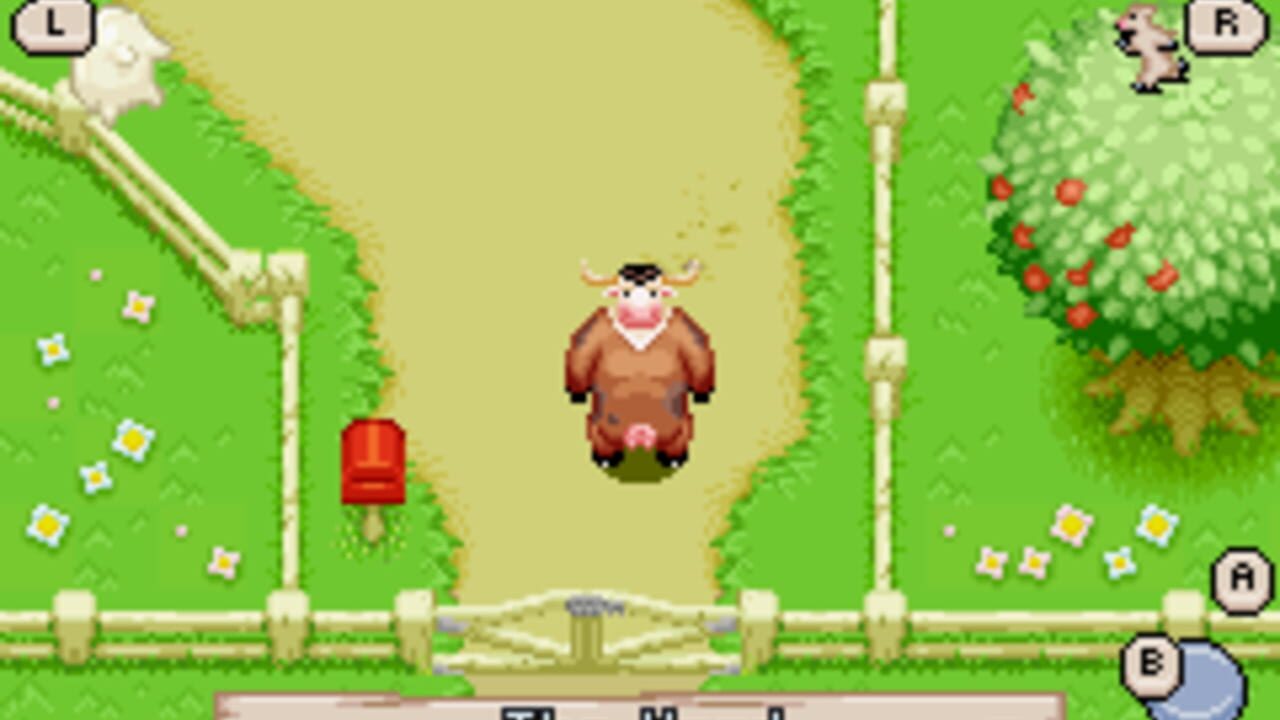
What stuck with me wasn't the gameplay, honestly. It was that this thing existed in a time when GBA movie tie-ins were usually cynical garbage. Barnyard isn't inspired, but it's competent. It respects the player enough to not be actively hostile. The visual style translates the film's look into something that actually works on the tiny screen, all chunky sprites and clear readability. That matters more than you'd think on hardware like this.
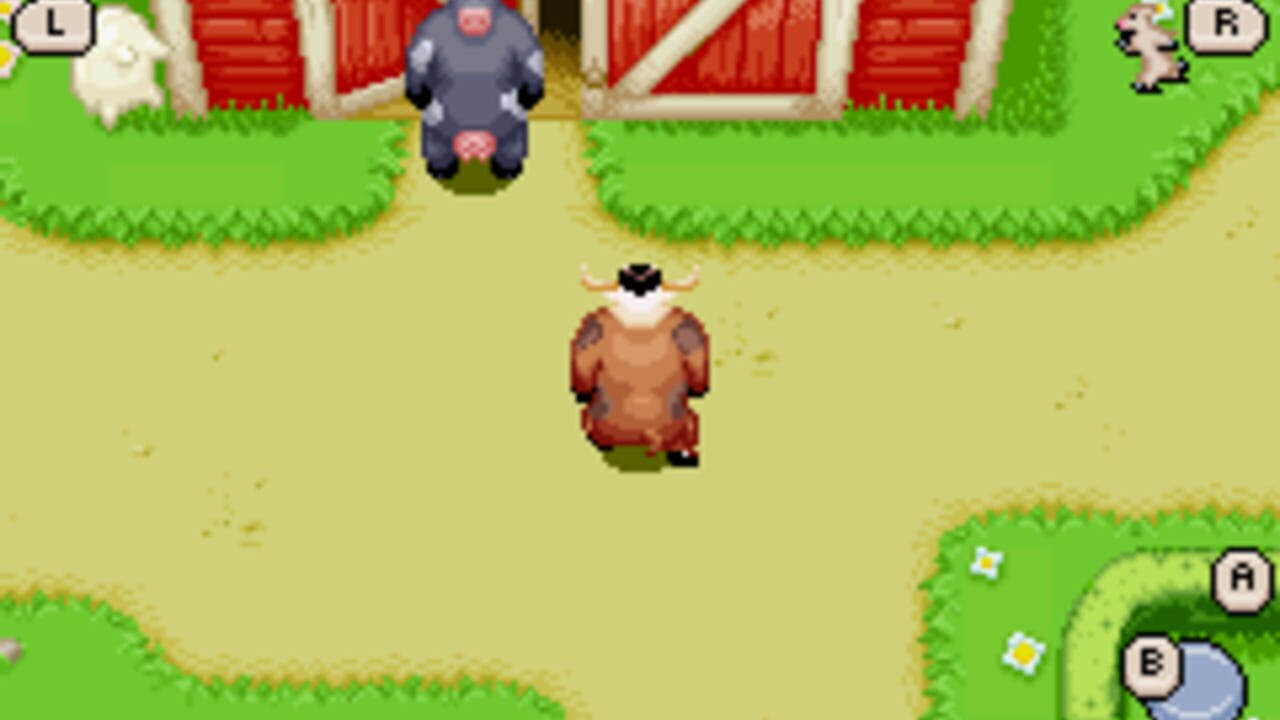
Playing it now, you're looking at a relic that's warm but forgettable. It's not going to grip you. But if you spent an afternoon with this on an actual GBA back in 2006, you probably didn't regret it, and that's the truest compliment a licensed platformer-adventure can get. It's a complete, functional game that knew its place and stayed there. For a Game Boy Advance emulator session, it's brief, harmless, and better than it had any right to be.
 old


 ▶Time Bandit1988MS-DOS / PC


