SNK released this in 1998 as a handheld offshoot of its flagship fighting series, built for the company's portable hardware and forming part of the launch wave with which that machine entered the market. That context explains most of the design decisions.

The problem SNK faced was awkward. Its arcade fighters ran with large, heavily animated characters and a multi-button layout, and none of that transfers to a small screen with a few inputs. The studio's answer was to compress the fighters into stubby proportions so they stayed legible at handheld size, and to simplify command entry so special moves did not depend on precise multi-direction motions. The side view survived because a fighting game cannot function without it — the distance between two opponents is information the player must read instantly.
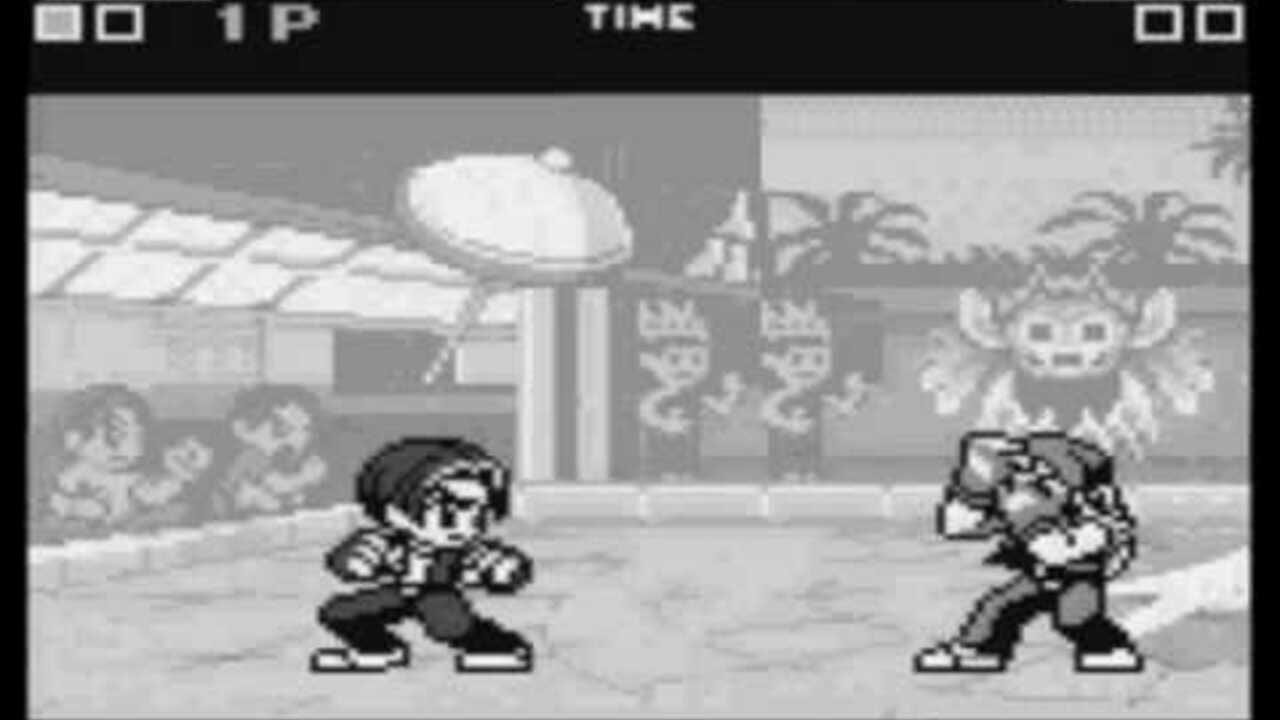
The portable branch of the series has a character of its own. The fighters look different from their arcade counterparts but remain recognisable, and the play is deliberately more direct: shorter bouts, fewer systemic layers, faster to get into. For a series known in arcades for depth and its team-based format, that is an interesting translation into a smaller frame.
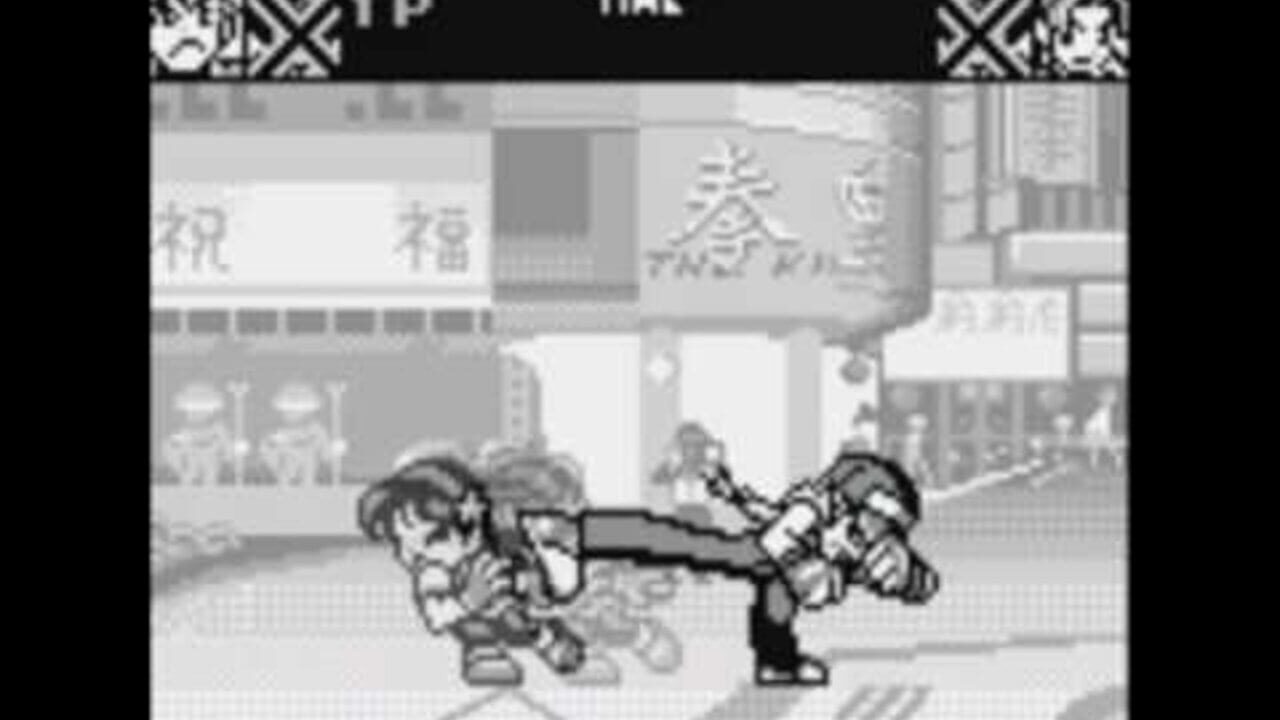
Historically it is a reminder of the period when SNK attempted to compete with Nintendo in the handheld space. Commercially that campaign did not succeed, but it left behind a group of games that remain interesting for how inventively they work around hardware limits. Anyone who knows King of Fighters from the arcade will find the brand here in a much more modest form that nonetheless holds together better than the compromises suggest.
 old

 The King of Fighters R-1 Neo Geo Pocket SNK Japan Factory Sealed New在 eBay 查看 »
 SNK King of Fighters R-1 Neo Geo Pocket Software From Japan在 eBay 查看 »
 SNK The King of Fighters R-1 Neo Geo Pocket Game Software在 eBay 查看 »


 ▶Bubble Bobble1989MS-DOS / PCAztec Challenge▶Aztec Challenge1983Commodore 64


