You've got about three seconds before the screen explodes in a shower of projectiles. That's Cybernoid—a vertical shooter where your tiny mechanical craft is pinned against waves of enemies that treat the entire playfield like a bullet farm. Raffaele Cecco and Nick Jones built this for the ZX Spectrum in 1988 under Hewson Consultants, and it's the kind of game that makes you understand why British bedroom coders earned their reputation. No apologies, no difficulty settings, just relentless.
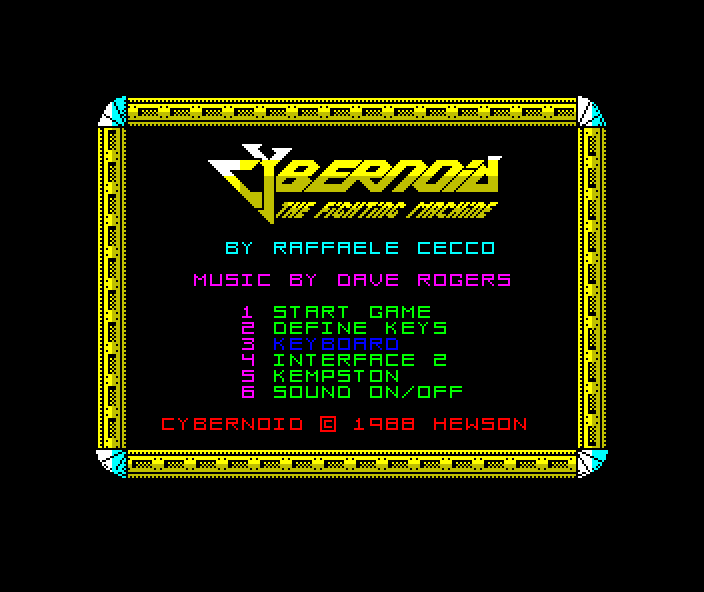
You pilot a small spacecraft through eight stages of increasingly dense firepower. The premise is straightforward: destroy what moves, collect power-ups, don't get hit. But Cybernoid adds a wrinkle—you can pick up multiple weapon types and cycle through them on the fly. Spread shot, homing missiles, rapid fire, shield. The trick is managing which tool solves which problem, because you can't hold everything at once. It's not a game about being the fastest reflexes in the room; it's about rhythm and knowing when to trade offense for defense.
The controls are tight, which matters when the screen starts filling with geometric shapes all moving at you simultaneously. The Spectrum's color limitations actually work in the game's favor—the cyan and magenta enemies pop clearly against the black void. The music is hypnotic, all synthetic pulse and momentum. Frame rate holds up even when the action gets stupid, though the sprite flicker that sometimes happens when too many bullets collide is more feature than bug—it adds to the visual chaos. What grinds is that a single hit kills you. No shield counter, no lives beyond your initial stock. You learn each pattern or you restart from the beginning.
Cybernoid landed as the Spectrum's shmup answer to arcade cabinets, and it still feels demanding rather than cheap. The AI patterns are learnable but aggressive. Boss encounters have tells if you pay attention. It's the kind of game that rewards practice the way arcade machines do—you memorize, you execute, you progress. That approach feels almost quaint now, but it also means the game doesn't waste your time with padding.
Today's player willing to accept that not every game needs checkpoints or mercy invincibility will find something sharp here. The screen-filling action, the tactical weapon swaps, the clean difficulty curve—they hold up. Emulation in the browser removes the friction of loading off tape, so you can jump straight to learning. It's brutal and fair, which is rarer than it sounds.
 old
 Cybernoid: The Fighting Machine (Sinclair ZX Spectrum, 1988)广告在 eBay 查看 »
 ▶Renegade II - Target RenegadeZX Spectrum
 ▶Dizzy III - Fantasy World DizzyZX Spectrum
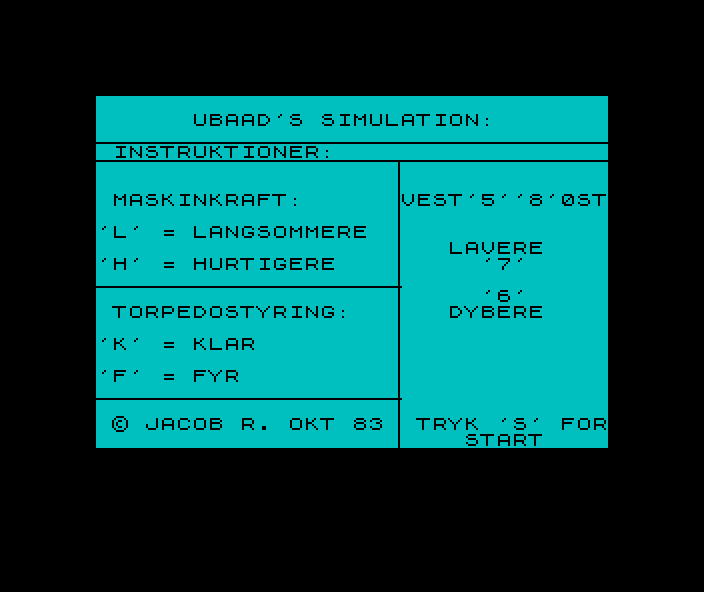 ▶Torpedo2005ZX Spectrum
 ▶Dizzy - The Ultimate Cartoon Adventure1987ZX Spectrum
 ▶The House of the Living Dead1983ZX Spectrum
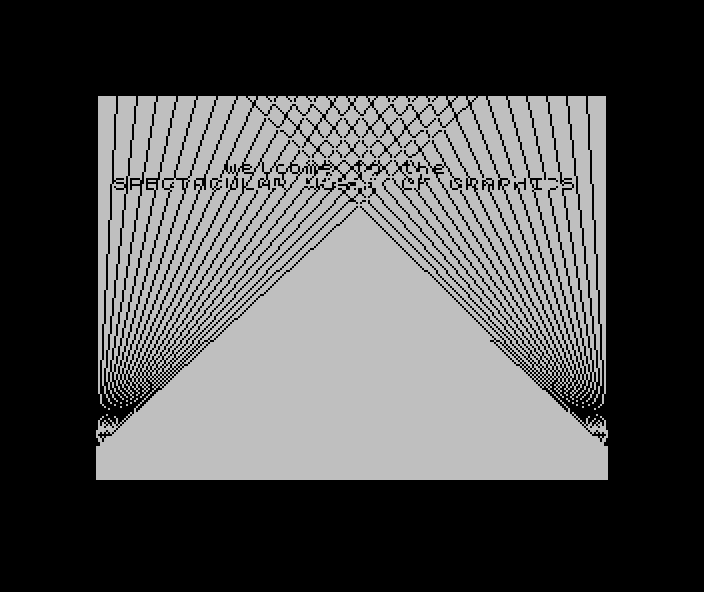 ▶Instant User Designed GraphicsZX Spectrum
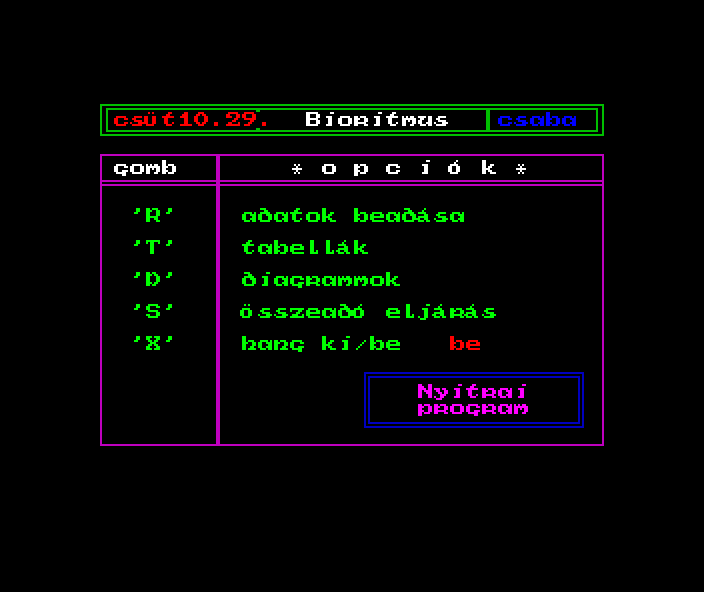 ▶BioritmusZX Spectrum
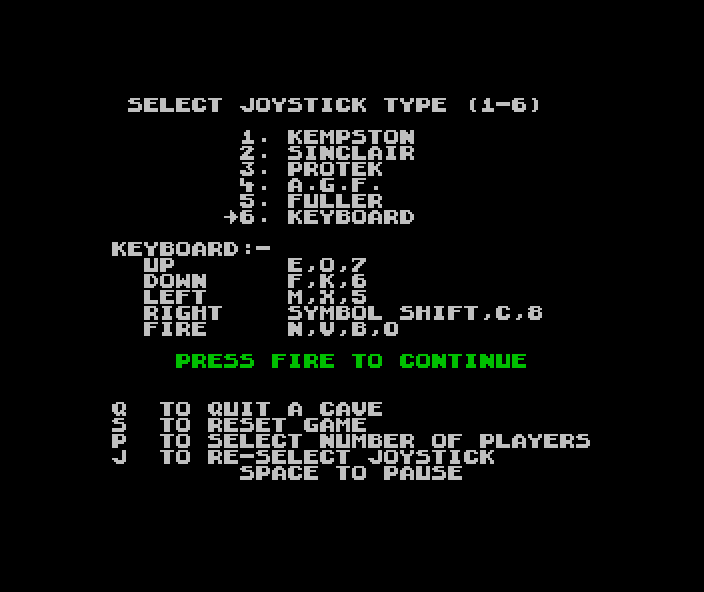 ▶Boulder Dash II - Rockford's Riot1985ZX Spectrum
 ▶Lone Wolf - Flight from the Dark2026ZX Spectrum
 ▶Road Runner and Wile E. Coyote1991ZX Spectrum
 ▶Star Wars II - The Empire Strikes BackZX Spectrum