Tätä arvostelua ei ole vielä käännetty — näytämme alkuperäisen (English).
Antarctica, a submarine, an old suitcase full of something that should have stayed frozen. Year 1995, Infogrames in full force, and I'm sitting at half past midnight in front of a monitor glowing in my face like an interrogation lamp. Prisoner of Ice really kept me awake back then — the question is, for what reason.
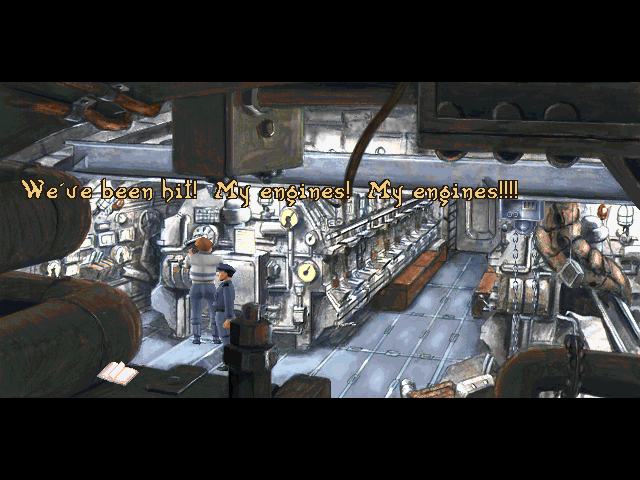
The game belongs to the so-called "Call of Cthulhu" line that Infogrames had been building since the early nineties. Shadow of the Comet came three years earlier, Prisoner of Ice was its direct spiritual successor — the same Lovecraftian atmosphere, the same interest in cosmic horror, hundreds of kilometers of ice and darkness that promises nothing good. You play as an American officer on a British submarine that crashes into a British prisoner transport carrying cargo that no reasonable person should ever open.
Mechanically, it's a classic point-and-click. Inventory, item combinations, conversations, dead ends. The controls weren't groundbreaking in 1995, Infogrames was more about story and screens than game innovation. The puzzles are mostly logical, but occasionally the game switches to a different logic — one that only makes sense to someone who spent the night reading the manual. A few solutions are truly arbitrary and that's not a compliment.
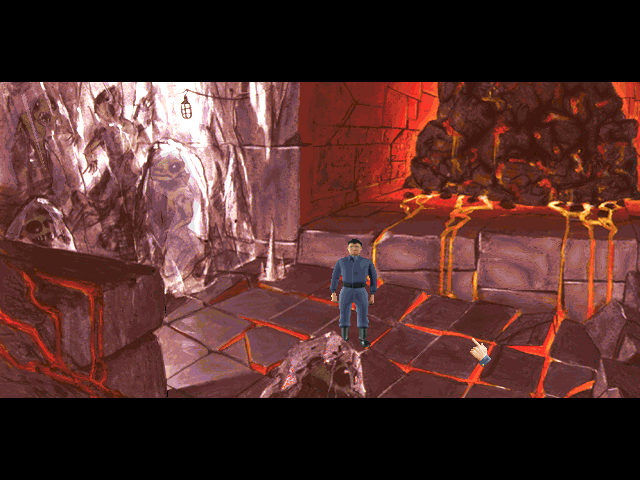
What holds Prisoner of Ice together is atmosphere. Pre-rendered backgrounds with icy corridors, dimly lit cabins and that specific feeling of isolation — it worked back then and surprisingly works today. The music made exploration a gloomy affair, not an adventurous one. 1995 was packed with horror games — Phantasmagoria, D were coming out, the genre was booming. Prisoner of Ice didn't shine brightest among its peers, but held its own respectably because it bet on literary source material, not cheap shock value.
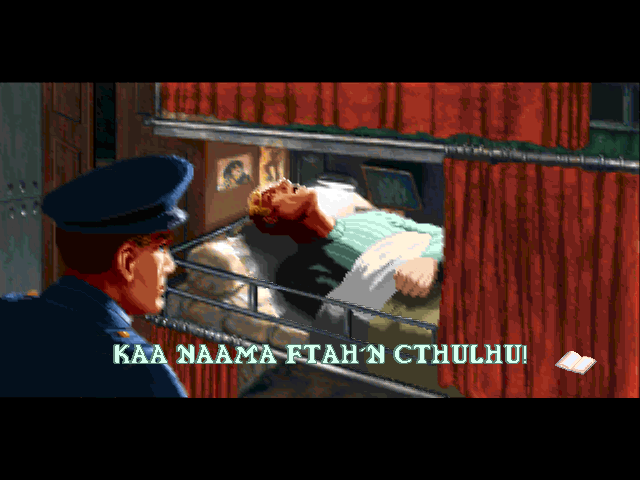
Today the game has aged unevenly. The visuals have their static charm, the story still works, but the pacing is slow even by period standards and a few mechanics would be described by today's game journalists in terms unfit for print. For Lovecraft enthusiasts, however, it's a mandatory stop — not because of the gameplay, but because of how well Infogrames translated cosmic dread into point-and-click format. A player looking to fill in some nineties blind spots in genre history will spend a pleasant few hours here. Just schedule it for daytime, not the night before an important meeting.
 old

 Back To The Future T-Shirt Retro Top TeeKatso eBayssa »
 Back to the Future Doc Emmett Brown #2363 Nendoroid FigureKatso eBayssa »


 ▶Muppet Treasure Island1996MS-DOS / PC


 ▶Bubble Bobble - The Adventure1993ZX Spectrum


 ▶Electro Body1992MS-DOS / PC


