این نقد هنوز ترجمه نشده است — متن اصلی (English) را نشان میدهیم.
The screen flickers in that particular way only the Spectrum could manage—vectors and blocky units scattered across a grid, waiting for your orders. Operation Colossus asks you to coordinate them, which sounds fine on paper until you realize the interface wants you to remember seventeen hotkeys and understand a menu system that makes you squint at the manual every thirty seconds.

This is a tactical wargame from 1986, one of those homebrew-adjacent titles that emerged when anyone with a Spectrum and delusions of grandeur could program a strategy layer and call it a simulation. You position units, issue movement commands, and hope the enemy AI—such as it is—doesn't simply overwhelm you through sheer computational stubbornness. The battlefield is turn-based, which at least gives you time to decipher what's happening, though "time" and "Spectrum" rarely go together smoothly.
The actual gameplay loop is functional but brittle. Troops move, occasionally fire, and either die or retreat. Terrain matters, line of sight theoretically exists, but the feedback is so sparse that half the time you're guessing whether you've achieved anything. The sound design is minimal—a few bleeps when units engage. The visuals are what they are: this is 1986 on an eight-bit machine, so don't expect clarity. You're reading numbers and symbols as much as watching animations.

What makes Operation Colossus noteworthy isn't that it's good. It's that it exists at all, a genuine artifact of the era when bedroom programmers treated the Spectrum like a canvas and strategy games like a reasonable afternoon project. It's rough, unintuitive, and demands patience. There's something honest about that roughness though—no pretense, no flowery descriptions. Just a grid, some units, and your struggling attempts to outthink a computer that doesn't really think at all.

The game has aged exactly as you'd expect: poorly. The interface is a chore, the strategic depth is shallow, and there are dozens of better tactical games to play now, even from that same period. But if you've got nostalgia for the particular smell of defeat in early-eighties wargames, or you want to see what ambition looked like when it outpaced ability, it's worth an hour in an emulator. You'll understand why most bedroom programmers stuck to arcade clones.
 old
 ▶Freedom Fighter1988ZX Spectrum


 ▶Deep Strike1986ZX Spectrum
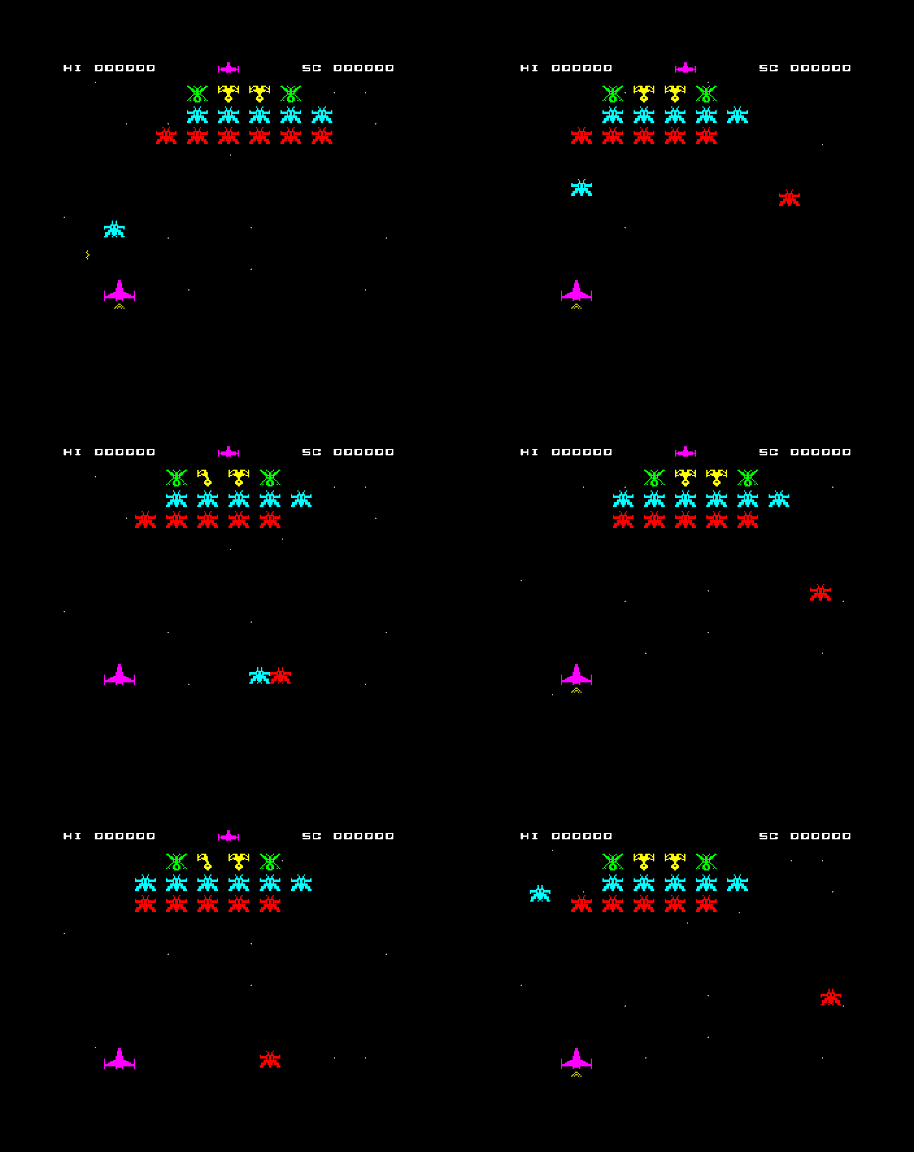 ▶Galaxy Warlords1983ZX Spectrum
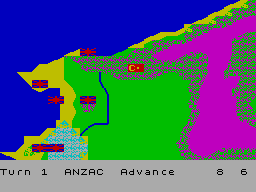 ▶Gallipoli1986ZX Spectrum
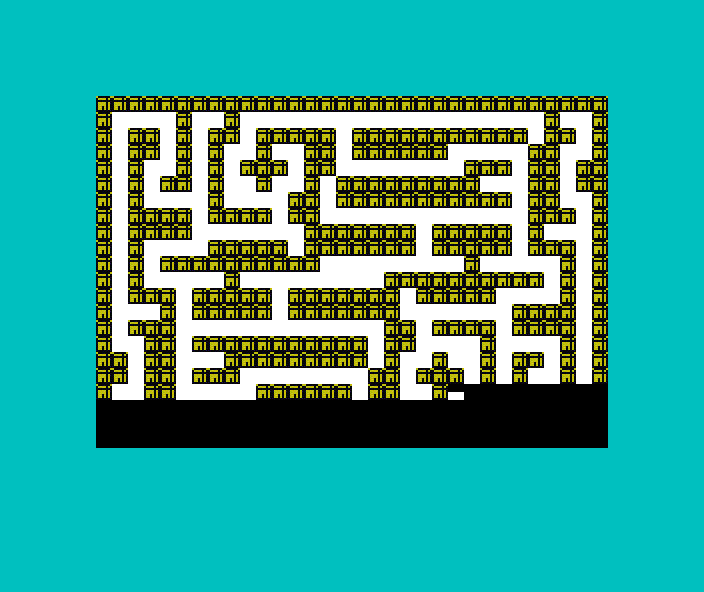 ▶Cybertanks1984ZX Spectrum
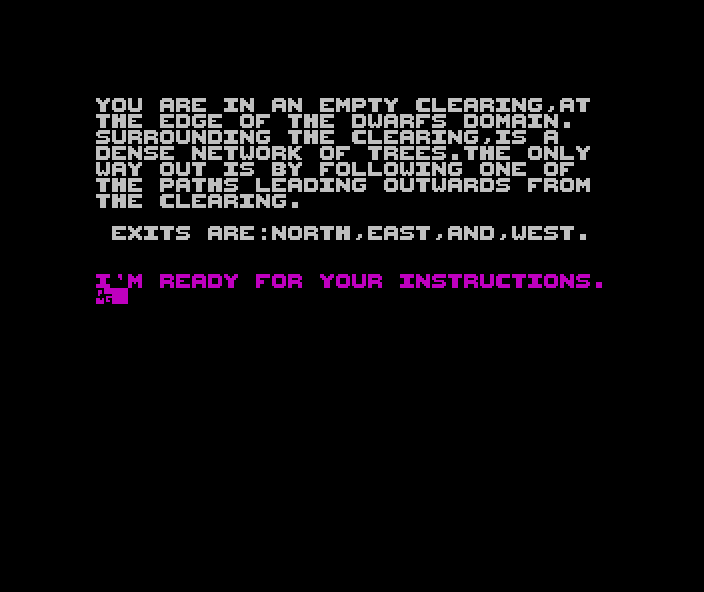 ▶Dwarfs Domain1984ZX Spectrum
 ▶Redcoats1984ZX Spectrum


 ▶ConfrontationZX Spectrum


 ▶Sid Meier's Civilization1991MS-DOS / PC


